

Nikko Toshogu Shrine
♖ Nikko Toshogu Shrine: A Journey Through Art, Power, and Spiritual Grace
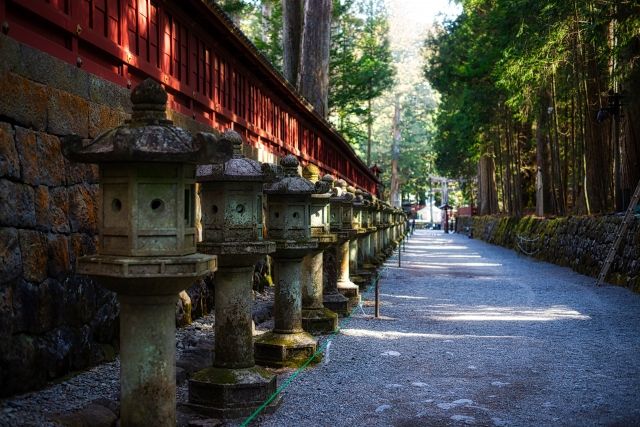
Hidden in the forests of Nikko, Toshogu Shrine is far more than a typical shrine. Built in 1617 to honor Tokugawa Ieyasu, this UNESCO World Heritage site blends spiritual meaning with striking artistry.
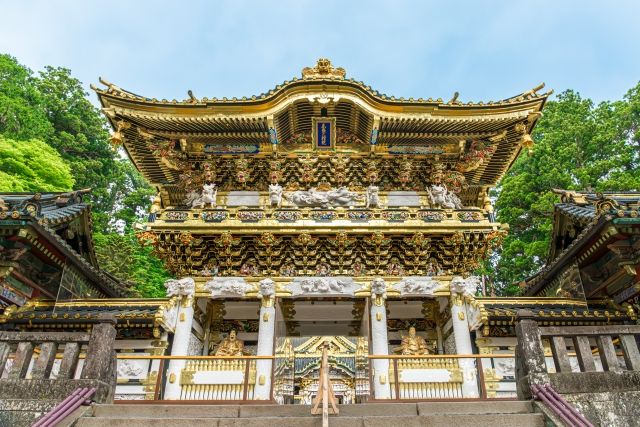
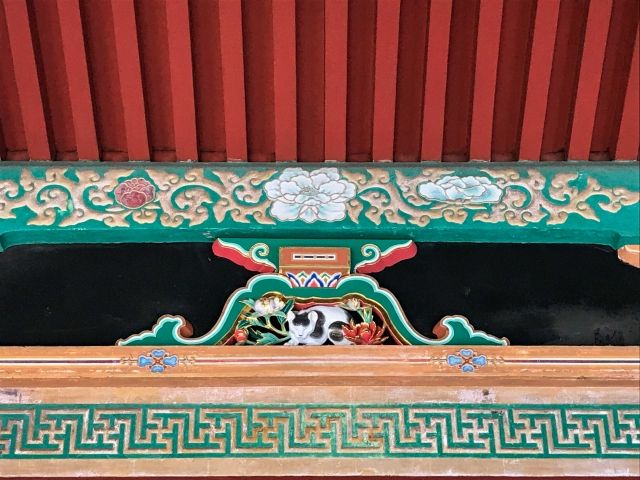
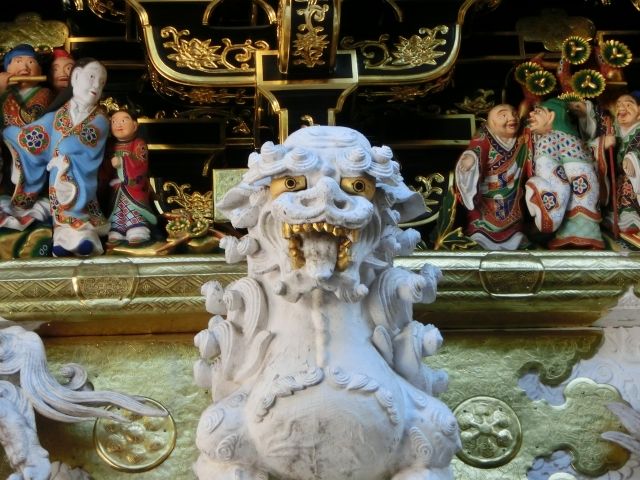
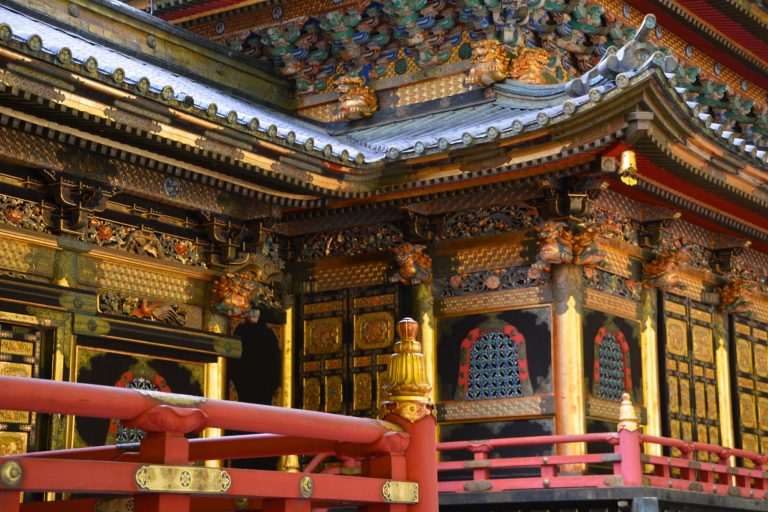
From the gold-leaf-covered gates to the vividly carved pillars, every inch is filled with detail. Highlights include the famous Three Wise Monkeys, teaching the motto “see no evil, hear no evil, speak no evil,” and the tiny but iconic Sleeping Cat, symbolizing peace.
At the heart of the shrine lies Yomeimon Gate, a breathtaking structure with over 500 carvings. It’s said you could spend an entire day here and still discover something new.
Toshogu isn’t just a place to visit—it’s a place to feel. It’s where history, belief, and creativity come together in the most unforgettable way.


🌿 Nature & Scenic Wonders Around Nikko Toshogu Shrine
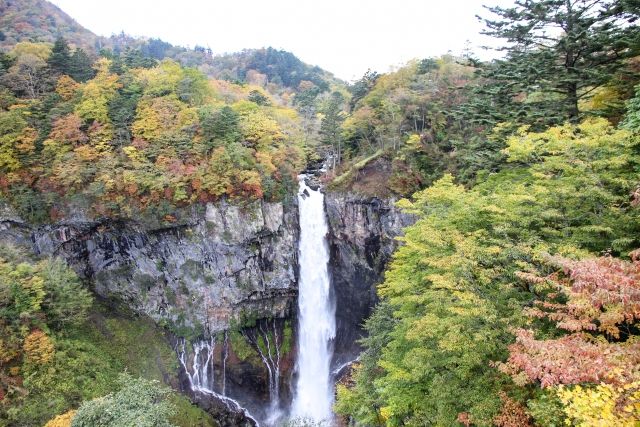
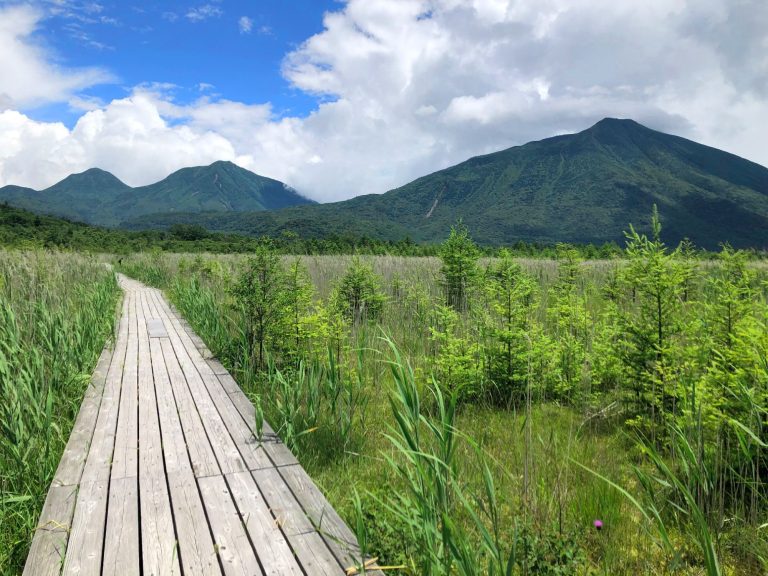

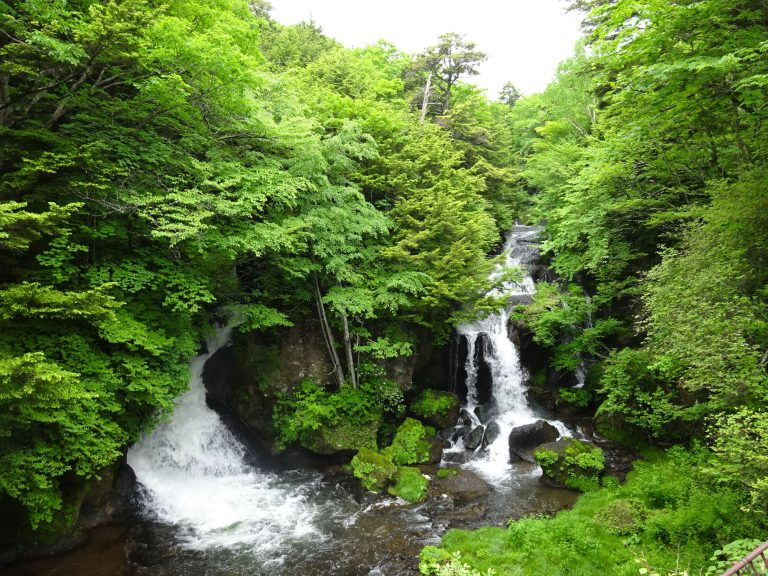
While Toshogu Shrine is the star attraction, the natural beauty surrounding it is just as unforgettable. Nikko is part of a national park, and its landscapes shift beautifully with each season.
One must-see spot is the Shinkyo Bridge, a brilliant vermilion bridge said to mark the sacred entrance to the Nikko mountains. It’s especially breathtaking in autumn when maple leaves turn vivid red and gold.
Another favorite is Lake Chuzenji, located at the foot of Mt. Nantai. The lake offers stunning views and quiet trails, perfect for a post-shrine stroll or a relaxing boat ride. Nearby, you’ll find Kegon Falls, one of Japan’s most famous waterfalls. The 97-meter drop is pure power—and even more spectacular in spring melt or autumn colors.
If you’re up for a little hike, head to Senjogahara Marshland, a highland plain filled with rare plants and birdlife. The walking trails are well maintained and provide a refreshing escape from the crowds.
Nikko isn’t just about temples—it’s where spirituality meets the raw beauty of nature.
Local Flavors and Scenic Treasures


🍱 Local Cuisine in Nikko: Taste the Traditions of the Mountains
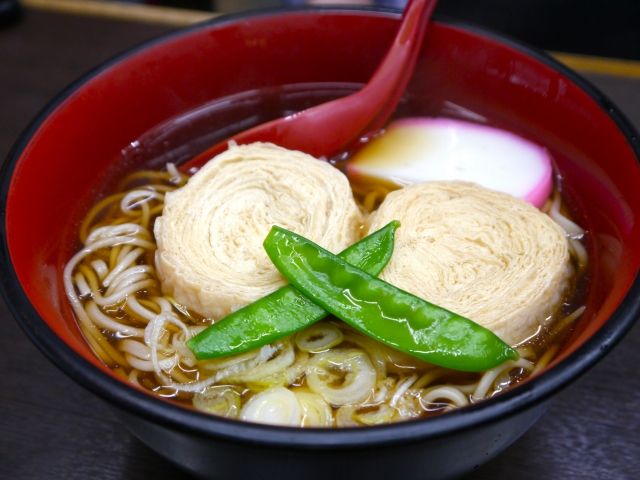
Nikko’s local cuisine is simple, nourishing, and tied to its spiritual roots. One signature dish is yuba (tofu skin), served fresh in soups or atop rice. It’s delicate yet flavorful—a favorite among visitors and monks alike.
Soba noodles are another must-try. Made with Nikko’s clear mountain water, they’re served hot or cold, and known for their clean, earthy taste.
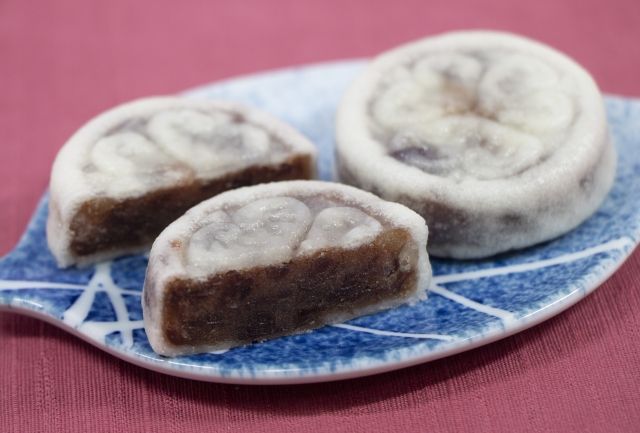
Craving something sweet? Local wagashi—traditional sweets shaped like monkeys or shrine motifs—make perfect edible souvenirs.
Wherever you eat in Nikko, meals reflect the region’s calm, thoughtful spirit. It’s comfort food, but with a cultural twist.
📍 Popular Places to Explore Around Nikko
Nikko is more than just a shrine town—it’s a gateway to both cultural treasures and breathtaking natural scenery. Here are some of the most beloved spots that visitors from around the world enjoy exploring:
Nikko Toshogu Shrine(東照宮)
The spiritual heart of the area. This opulent shrine honors Tokugawa Ieyasu and features dazzling carvings, Yomeimon Gate, and the famous Three Wise Monkeys.
 MAP
MAPShinkyo Bridge(神橋)
This vivid red bridge marks the sacred entrance to the Nikko mountains. A favorite photo spot, especially in autumn.MAPKegon Falls(華厳の滝)
A dramatic waterfall dropping 97 meters straight down from Lake Chuzenji. You can view it from an observation deck or ride an elevator to the base.MAPLake Chuzenji(中禅寺湖)
A peaceful lakeside escape at the foot of Mt. Nantai. The lake offers walking paths, cafés, boat rides, and refreshing mountain air.MAPSenjogahara Marshland(戦場ヶ原)
A wide, open marsh with scenic boardwalk trails and amazing views of the surrounding peaks. Ideal for hikers and birdwatchers.MAPRinnoji Temple(輪王寺)
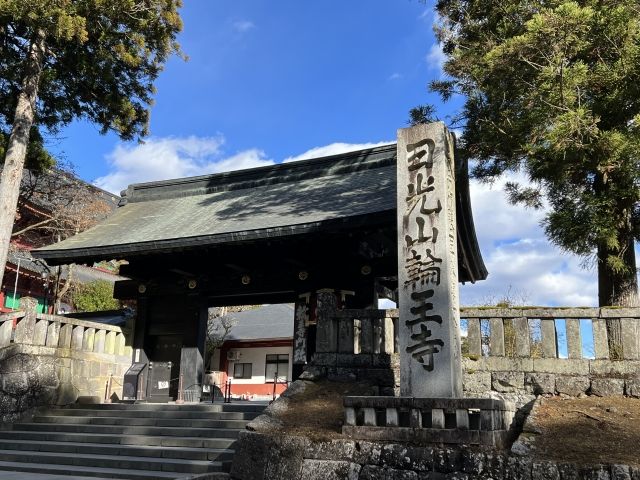
A historic Buddhist temple near Toshogu, known for its large wooden halls and deep connection to Nikko’s religious history.
After a day of exploring Nikko’s rich history, why not unwind in a peaceful onsen town nearby?
Kinugawa Onsen is just a short ride away, offering soothing hot springs and riverside scenery.
👉 Relax in Kinugawa Onsen
🎁 Top 5 Souvenirs from Nikko
- Yuba Snacks(湯波スナック)
Crunchy or soft, sweet or savory—Nikko’s famous yuba is turned into unique snacks perfect for gifts. - Three Wise Monkeys Goods(三猿グッズ)
Keychains, cookies, and towels featuring the iconic “see no evil, hear no evil, speak no evil” monkeys from Toshogu. - Nikko Sake(日光の地酒)
Locally brewed sake with pure mountain water. Small bottles make elegant, easy-to-pack souvenirs. - Wooden Crafts(木工芸品)
Handcrafted trays, chopsticks, and ornaments made from Nikko cedar. Each piece has a natural, rustic charm. - Traditional Wagashi(和菓子)
Seasonal Japanese sweets inspired by local scenery. Beautifully packaged and ideal for tea time or gifting.
🏨 Recommended Ryokan & Hotels in Nikko
Whether you’re a first-time visitor to Japan or a seasoned onsen traveler, finding a hotel that offers both exceptional cuisine and heartfelt service can make your experience truly unforgettable. These five handpicked stays in Kinugawa Onsen go beyond comfort—they embody omotenashi at its finest.
Nikko Kanaya Hotel(⽇光⾦⾕ホテル)
Japan’s oldest Western-style resort hotel, founded in 1893. This historic property offers classic architecture, a refined atmosphere, and excellent service. Located just a short walk from Toshogu Shrine, it’s a favorite for those who appreciate heritage and charm. Enjoy French-Japanese cuisine and stay in rooms with antique touches.
English Support: Very good – English-speaking staff available at reception and restaurant, with guides and menus in English.
Review:
“Such a beautiful blend of tradition and comfort. Staff were kind, and the historic ambiance was unforgettable.” — Booking.com
Nikko Station Hotel Classic(日光ステーションホテルクラシック)
Conveniently located next to JR Nikko Station, this modern yet affordable hotel is ideal for travelers using public transport. The Western-style rooms are clean and functional, with large public baths and a breakfast buffet popular among guests.
English Support: Good – Front desk staff can communicate in English and offer travel tips for the area.
Review:
“Perfect location for train and bus access. Clean rooms and friendly staff made it an easy and pleasant stay.” — Agoda
Nikko Hoshinoyado(日光 星の宿)
A traditional ryokan with a serene atmosphere, located within walking distance from Nikko Toshogu. Guests enjoy open-air baths, tatami-mat rooms, and elegant kaiseki meals. The view of the surrounding forest adds to the relaxing experience.
English Support: Good – Staff are used to foreign visitors, and essential services and menus are available in English.
Review:
“A true Japanese ryokan experience. The meals were delicious, and the room felt peaceful and authentic.” — Rakuten Travel
Okunikko Mori no Hotel(奥日光 森のホテル)
A tranquil hotel nestled deep in Nikko National Park, famous for its milky white sulfur hot springs. Surrounded by forest and silence, it’s perfect for nature lovers. The cuisine features seasonal mountain ingredients, and the large open-air baths offer a rustic onsen experience.
English Support: Limited – Staff may understand basic English. Communication is possible with gestures and translated guides.
Review:
“Remote and peaceful. The hot spring was amazing, and I loved the natural scenery around the hotel.” — Jalan.net
Asaya Hotel(あさやホテル)
Towering above the Kinugawa River, Asaya Hotel is a prestigious onsen resort with over 130 years of history. Its rooftop open-air bath offers breathtaking views of the mountains. The extensive buffet, featuring Japanese and international dishes, is a highlight. Ideal for families and couples alike.
English Support: Excellent – Multilingual staff, English signage, and friendly service ensure a smooth experience.
Review:
“From check-in to checkout, everything felt seamless. The buffet was unforgettable and the onsen views were breathtaking.” — Booking.com
🚉 How to Get to Nikko
Nikko is easily accessible from Tokyo and other major cities, making it a convenient destination for both short trips and longer stays. Here are the most common routes to reach Nikko:
🛫 From Narita Airport or Haneda Airport (Tokyo)
Via Asakusa Station:
Take the Keisei Skyliner or Airport Limousine to Asakusa Station, then transfer to the Tobu Nikko Line.
⏱️ Travel Time: Approx. 2.5–3 hours
💡 Tip: The Tobu Limited Express “SPACIA” offers direct service to Tobu Nikko Station with comfortable seating and onboard amenities.
🚆 From Tokyo (City Center)
Via Tobu Line from Asakusa Station
Direct Limited Express trains like SPACIA or Revaty to Tobu Nikko Station.
⏱️ Approx. 2 hoursVia JR Line from Tokyo or Ueno Station
Take the Tohoku Shinkansen to Utsunomiya Station, then transfer to the JR Nikko Line to reach JR Nikko Station.
⏱️ Approx. 1 hr 50 min
💡 Both Tobu Nikko Station and JR Nikko Station are close together and connected by local buses and taxis.
🚌 From Kinugawa Onsen or Chuzenji Area
From Kinugawa Onsen: Direct bus or local train to Nikko in approx. 30–40 minutes.
From Lake Chuzenji: Take the Tobu bus down the Irohazaka winding road to reach the shrine area.
📌 Note: IC cards like Suica and PASMO are accepted on most trains and buses, but some rural buses may require cash. Always check before boarding.
✈️ International Visitor Tip
The NIKKO PASS (World Heritage Area) by Tobu Railway allows unlimited travel in the Nikko area and discounts on attractions. Highly recommended for 1–2 day visitors.


