
Loading

Trip Guide Japan

Asakusa

Asakusa: Where Tokyo's Timeless Traditions Come Alive

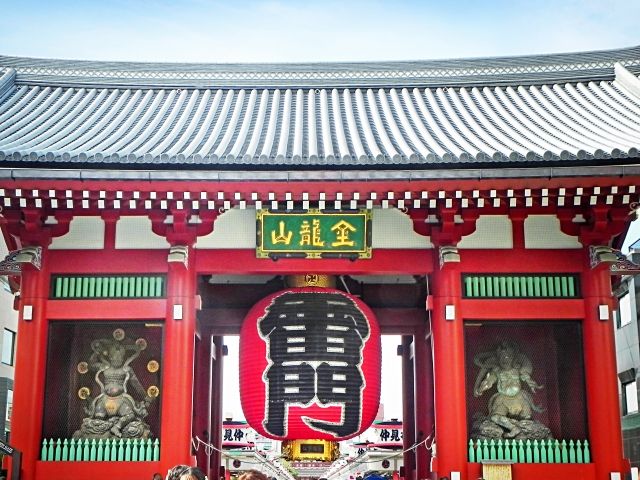
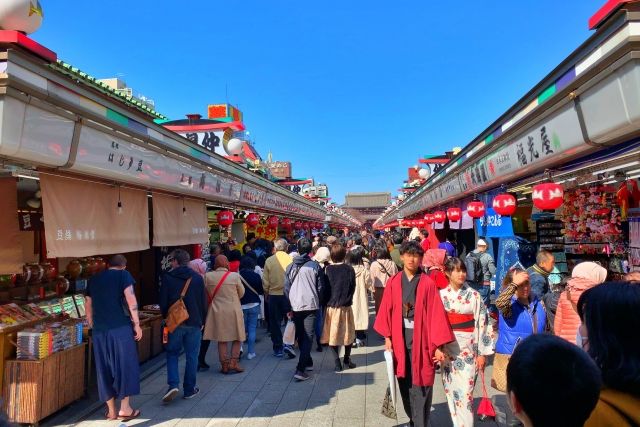
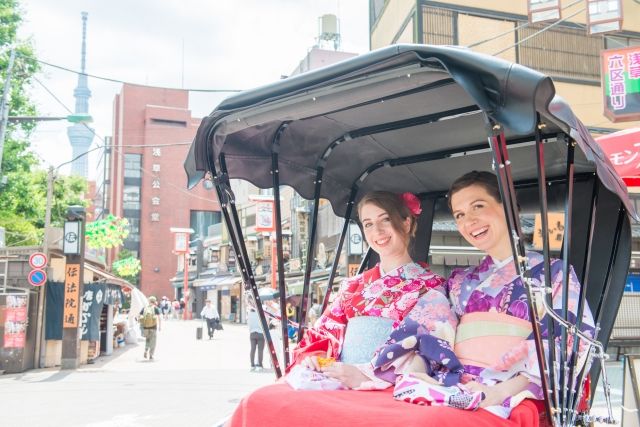
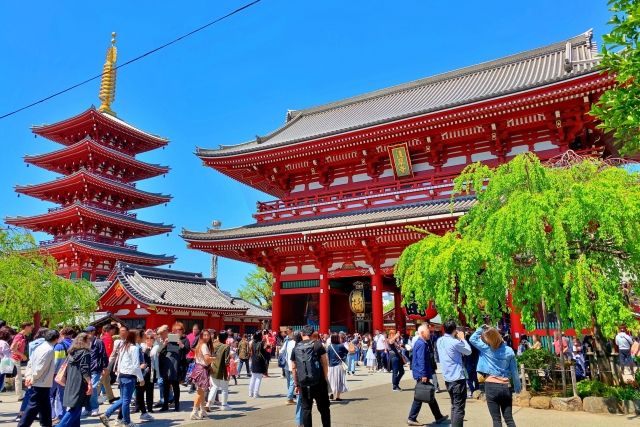
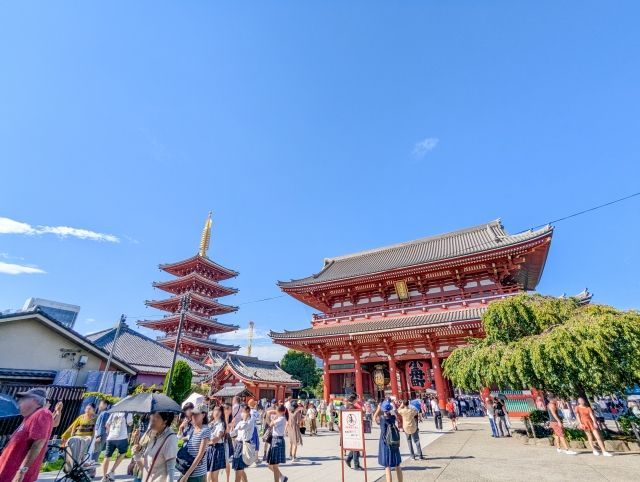
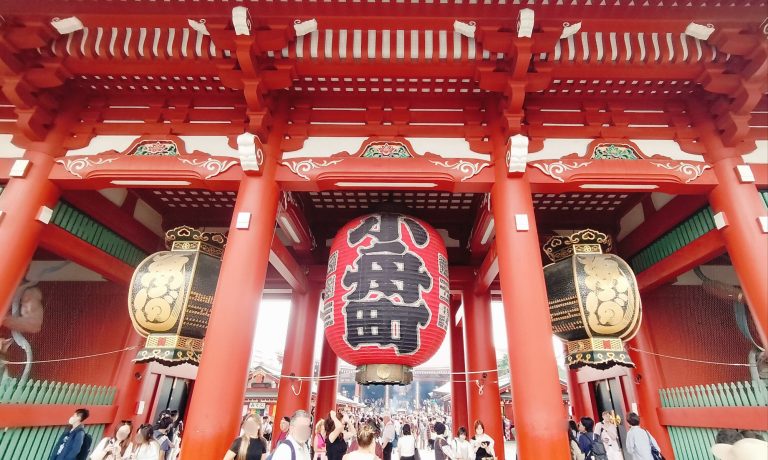
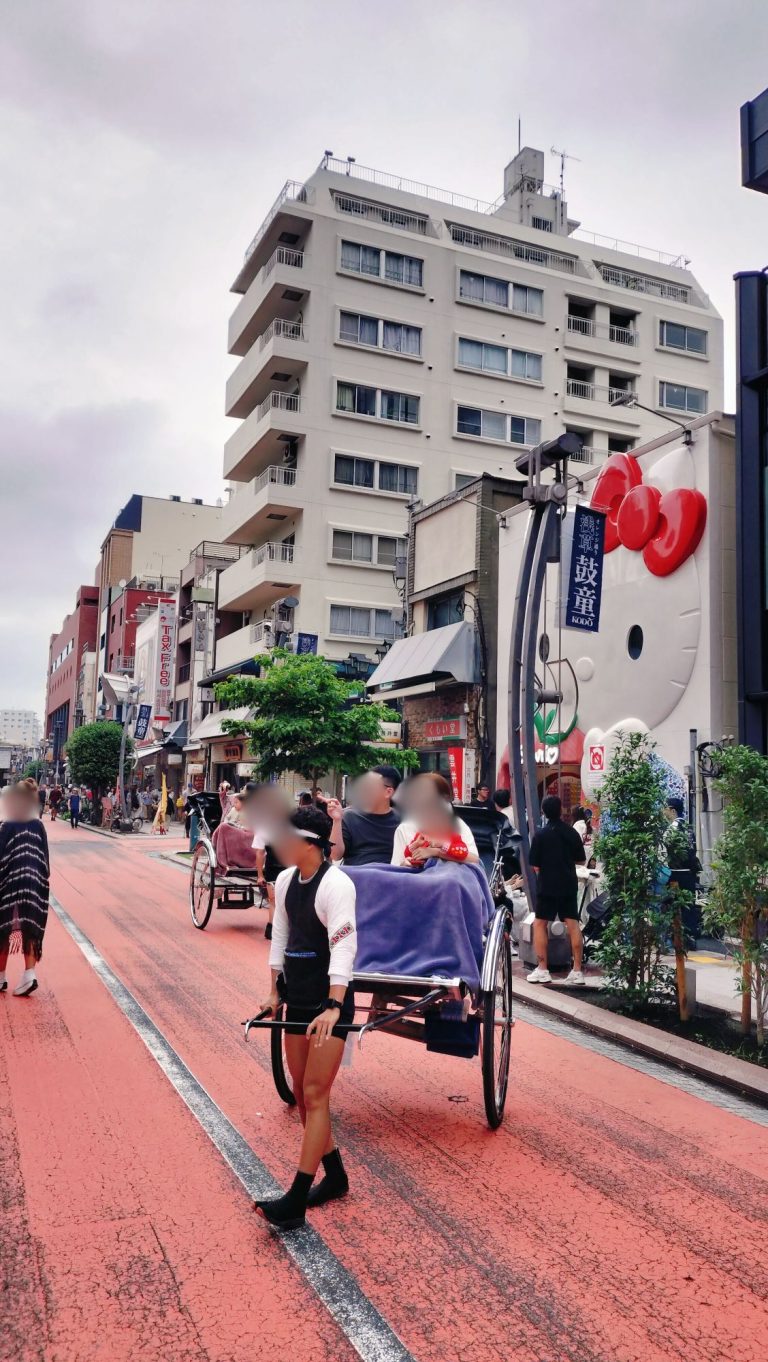
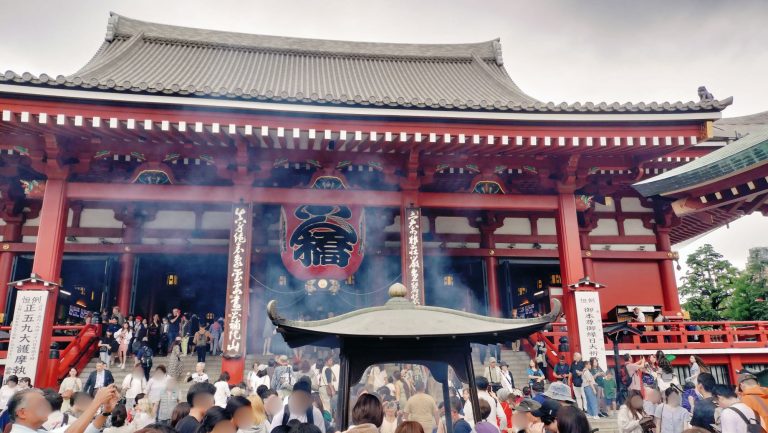
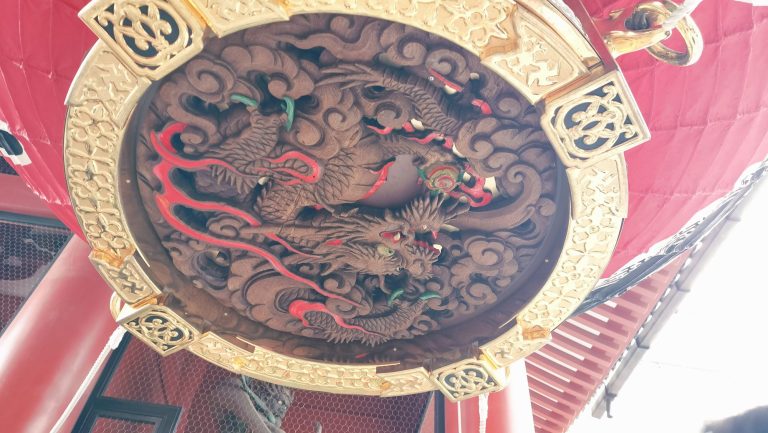
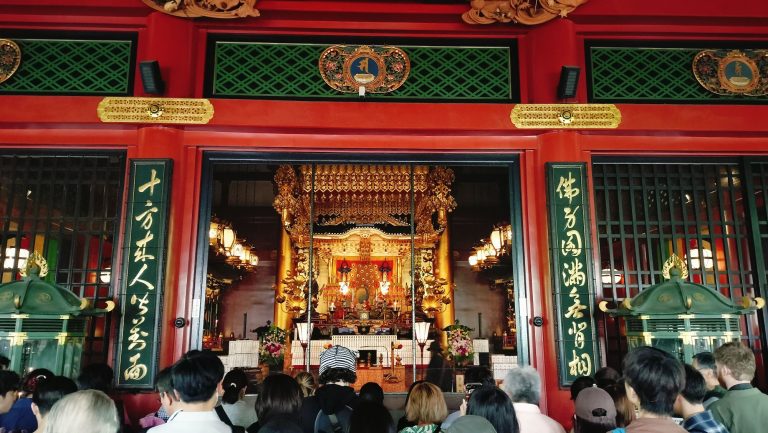
 Step into Asakusa, Tokyo’s historic district where the past and present harmoniously coexist. Begin your journey at the iconic Kaminarimon Gate, adorned with its massive red lantern, leading you into Nakamise Street—a bustling avenue lined with shops offering traditional snacks and souvenirs. As you stroll, the aroma of freshly made senbei and the sight of colorful yukata-clad visitors create an immersive cultural experience. At the end of the street stands Sensō-ji, Tokyo’s oldest temple, where the serene atmosphere invites reflection amidst the city’s vibrant energy.


asakusa - Asakusa: Explore Tokyo's Historic Heart of Culture, Cuisine & Temples

Experience the Living Traditions of Asakusa

asakusa - Asakusa: Explore Tokyo's Historic Heart of Culture, Cuisine & Temples

 Asakusa is a district where Japan’s rich traditions are not just preserved—they’re alive and thriving. At the heart of this cultural tapestry is the Sanja Matsuri, one of Tokyo’s most vibrant festivals. Held annually in mid-May, the festival honors the three founders of Sensō-ji Temple, celebrated with dynamic processions of over 100 mikoshi (portable shrines), traditional music, and spirited dances. 

The festivities transform the streets into a lively spectacle, where locals and visitors alike join in the celebration, embodying the communal spirit that defines Asakusa. Beyond the festival, the district’s enduring traditions are evident in its historic temples, time-honored crafts, and the warm hospitality of its residents.


Savor Asakusa: Flavors and Sights of Old Tokyo

 Each corner of Asakusa reveals a taste of Tokyo’s timeless spirit and traditional beauty.

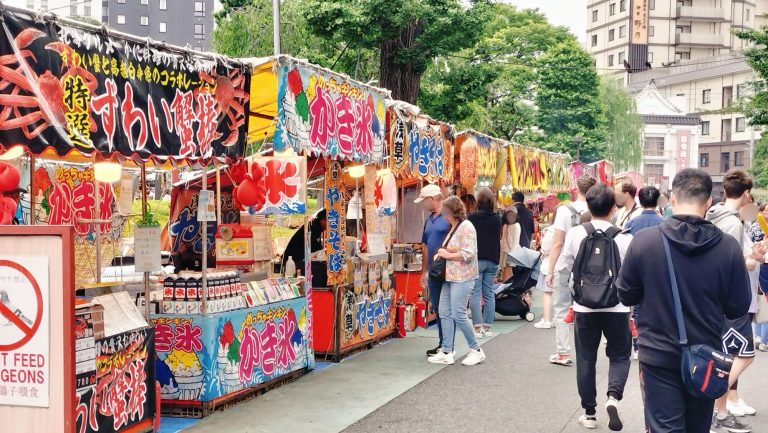
At Nakamise Street, indulge in street snacks like ningyo-yaki (doll-shaped cakes filled with red bean paste) and kibi-dango, sweet millet dumplings once served to samurai.

Near Kaminarimon, treat yourself to matcha soft serve or refreshing melon soda floats with a view of the towering red lantern.

For something heartier, visit tempura shops with decades of history, or savor a warm bowl of tonkatsu ramen in a retro-style diner.

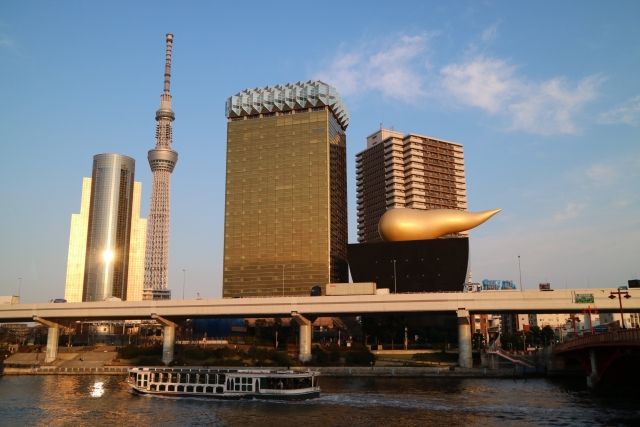
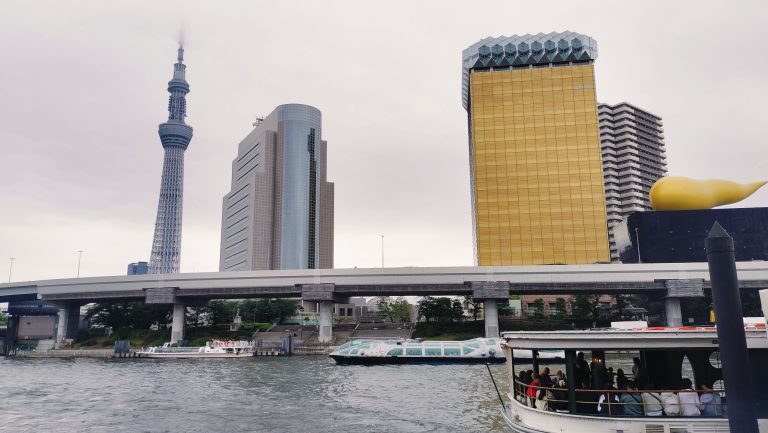
Beyond food, stroll through Sumida Park, especially in spring when the cherry blossoms frame the Tokyo Skytree.

End your journey at the Asakusa Culture and Tourist Information Center’s observation deck, offering a breathtaking view of Sensō-ji Temple beneath the sunset.

ChatGPT Image 2025年5月17日 14_36_10
Top 5 Ninja Experiences in Tokyo: Hands-On Samurai Skills & Stealth Training
⚔️ Top 5 Ninja Experiences in Tokyo Ready to unleash your inner ninja? Tokyo offers a range of immersive...
ChatGPT Image 2025年5月17日 17_28_56 (2)
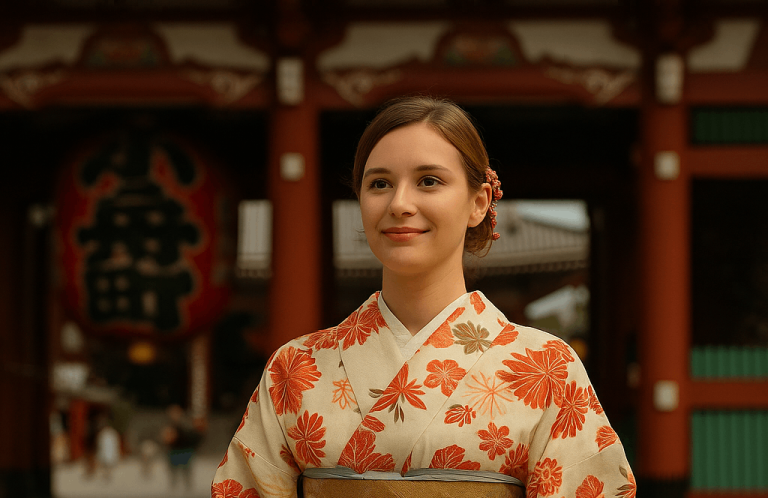
Kimono Experience in Asakusa
Kimono Experience in Asakusa Walk Through Tokyo’s Historic Streets in Traditional Elegance If you’re...

Top 5 Souvenirs from Asakusa

Some shops and restaurants in Asakusa still accept cash only. It’s a good idea to carry some Japanese yen with you, just in case credit cards or digital payments are not accepted.


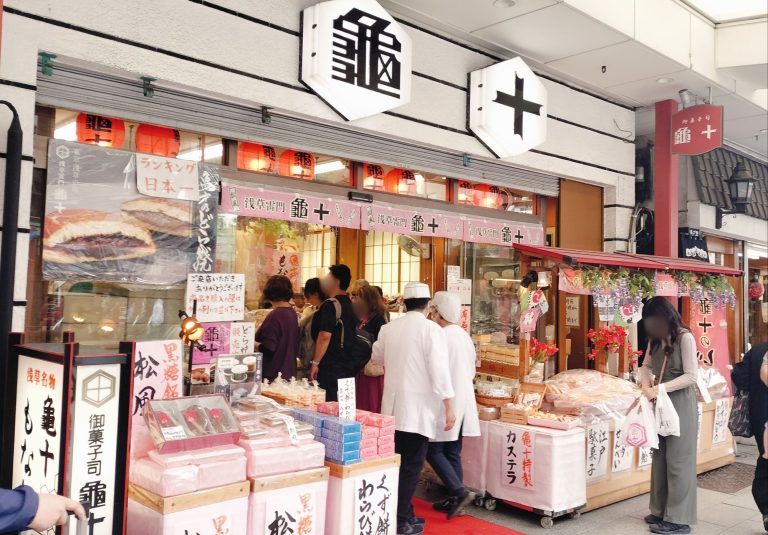
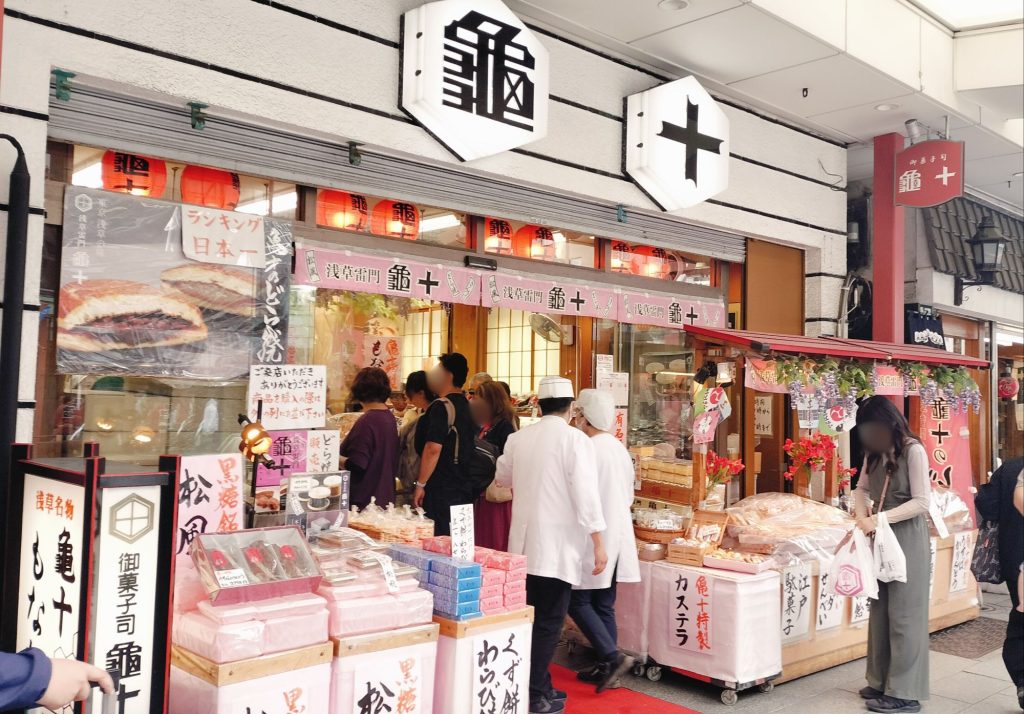
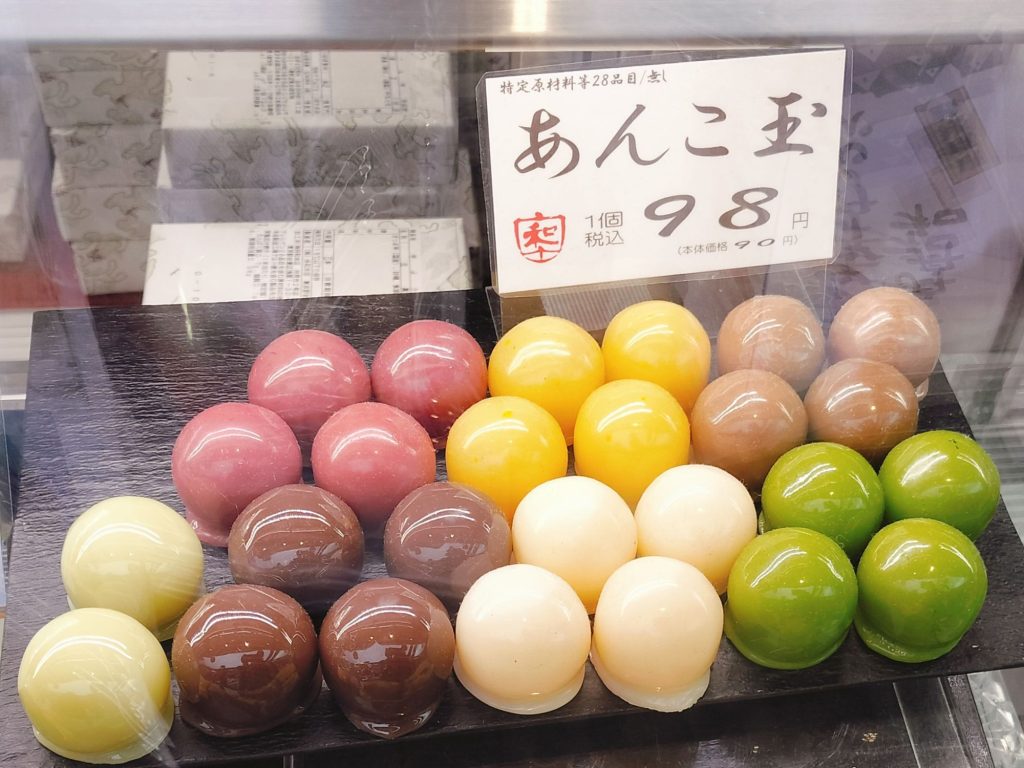
  • Kameju Dorayaki(亀十のどら焼き)
    Fluffy and delicately sweet, Kameju’s dorayaki (red bean pancake) is a local favorite that often draws long lines. Its perfectly soft texture and rich filling make it a must-try treat from one of Asakusa’s most beloved sweet shops.

  • Funawa Imo Yokan(舟和の芋ようかん)
    Founded in 1902, Funawa is famous for its simple yet delicious sweet potato yokan. Made with just sweet potatoes, sugar, and salt, this traditional confection is a staple Asakusa souvenir with a clean, natural flavor.

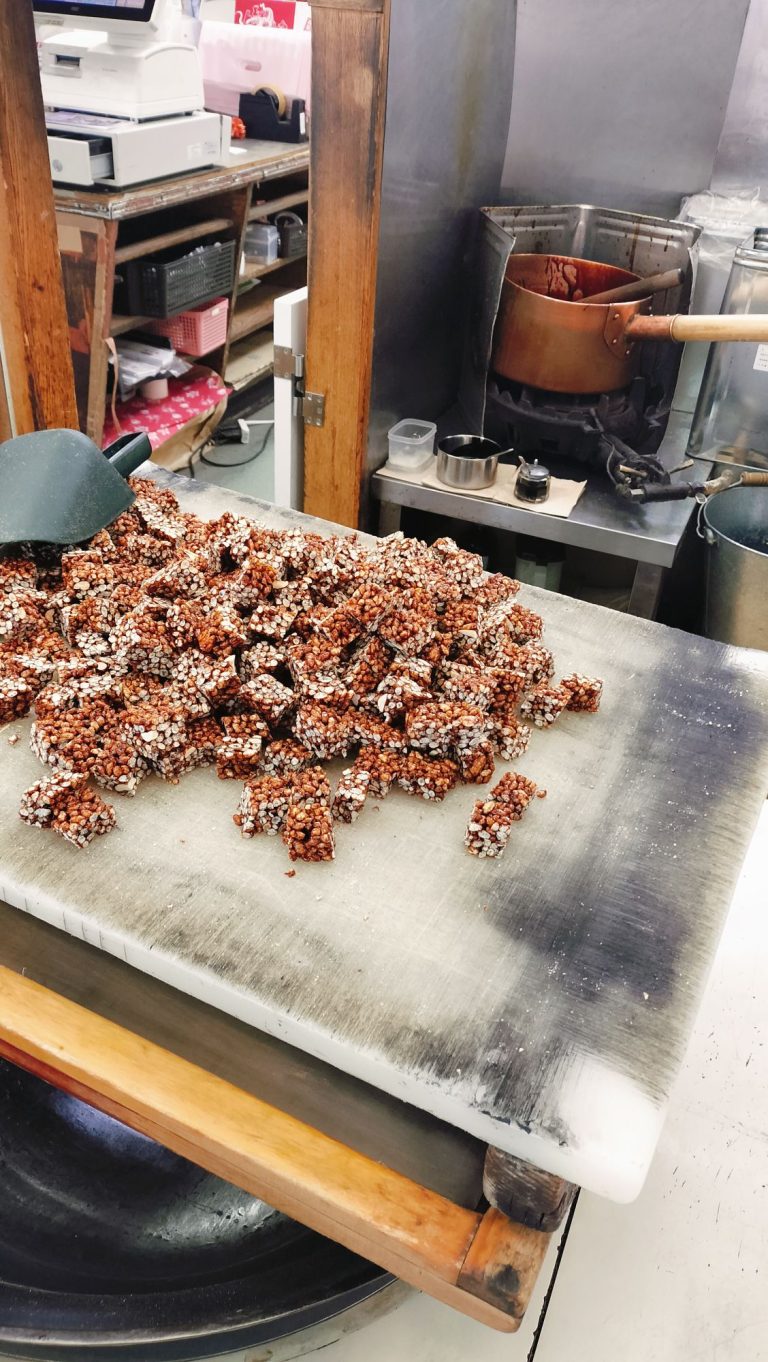
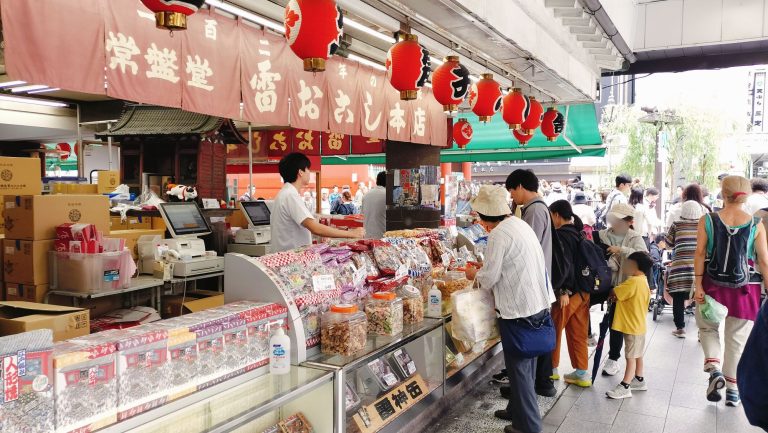
  • Tokiwado Kaminari Okoshi(常盤堂の雷おこし)
    A crispy puffed rice snack with a nostalgic crunch, Kaminari Okoshi from Tokiwado has been a favorite since the Edo period. Its name and design are inspired by the iconic Kaminarimon Gate.

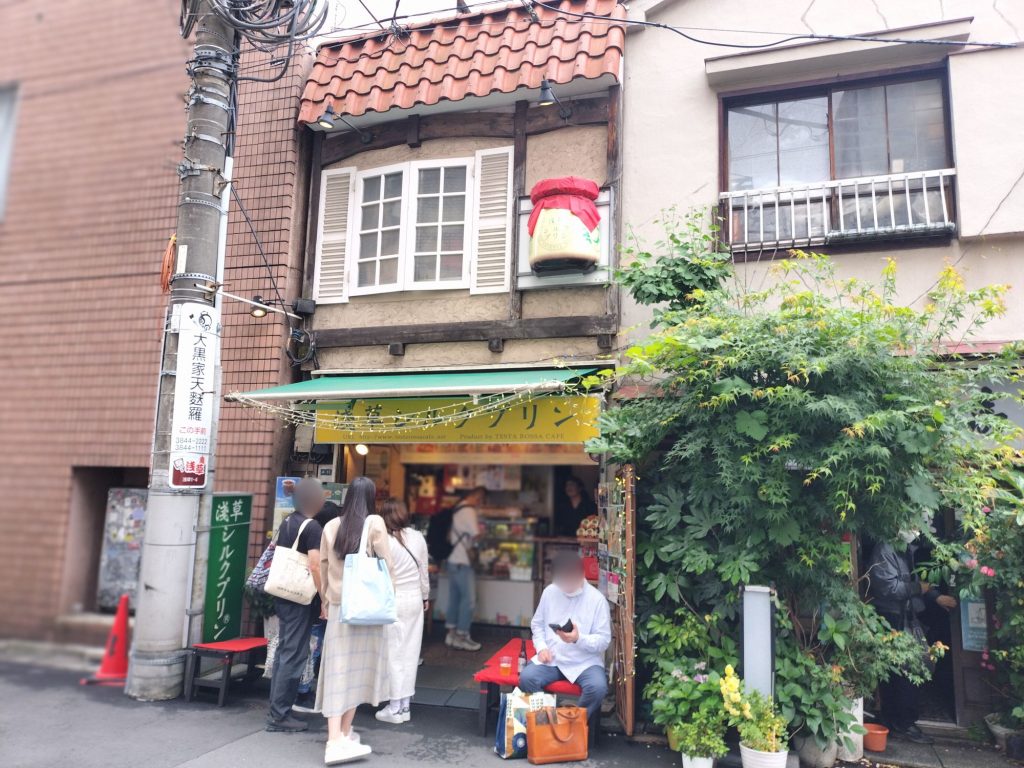
  • Asakusa Silk Pudding(浅草シルクプリン)
    This modern dessert is gaining popularity for its silky-smooth texture and rich, refined taste. Beautifully packaged in glass jars, it makes a stylish gift or personal indulgence.

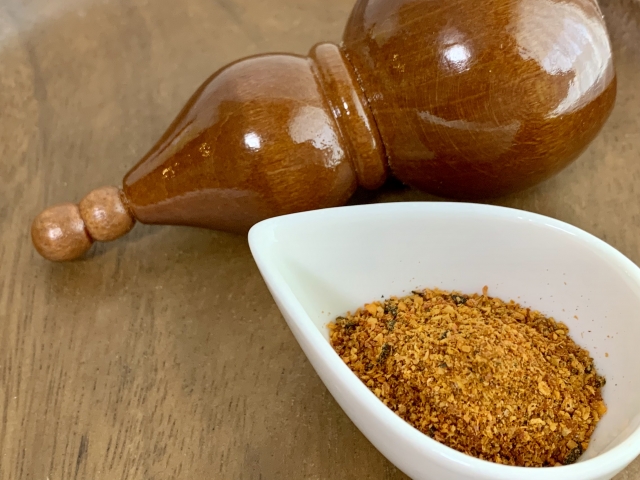
  • Yagenbori Shichimi Togarashi(やげん堀の七味唐辛子)
    Blended for over 400 years, this traditional seven-spice mix adds a punch of flavor to any dish. The fragrant combination of chili, sesame, citrus peel, and herbs is a beloved seasoning and a great souvenir for culinary adventurers.

asakusa - Asakusa: Explore Tokyo's Historic Heart of Culture, Cuisine & Temples

Recommended Places to Explore Around Asakusa

  1. Sensō-ji Temple & Kaminarimon Gate
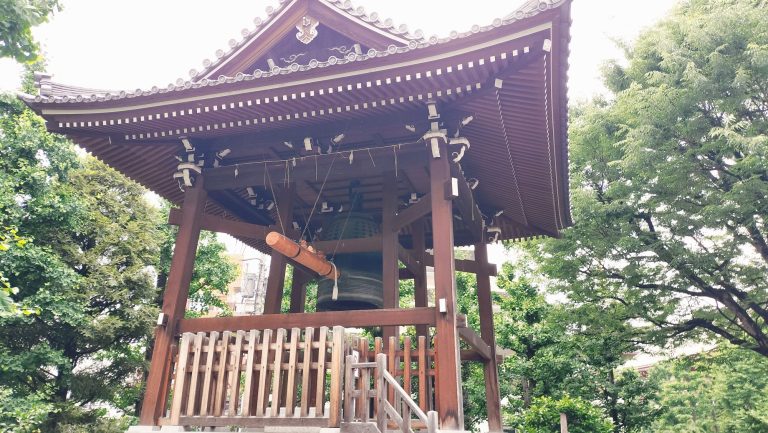
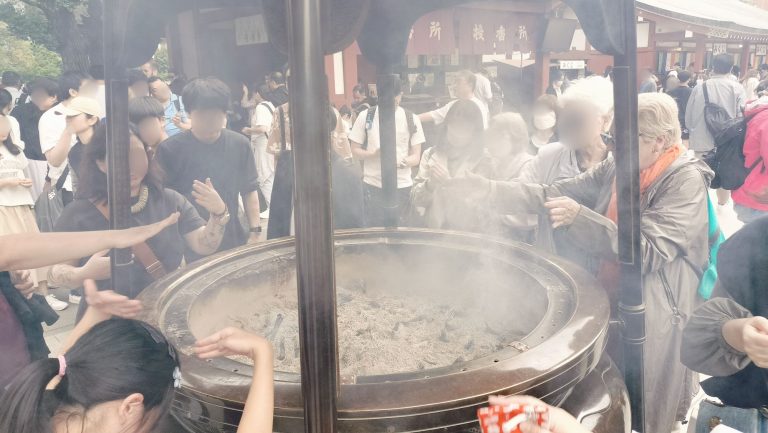
    Step into centuries of tradition at Sensō-ji, Tokyo’s oldest Buddhist temple and the heart of Asakusa. Begin your visit through the striking red Kaminarimon Gate, adorned with a massive lantern that has become a symbol of the city. As you pass through, you’ll enter Nakamise Street, a lively shopping avenue lined with stalls selling traditional snacks, hand-crafted souvenirs, and kimono accessories. This is more than sightseeing—it’s a sensory dive into the spirit of Edo-era Japan.
    📍MAP

  2. Asakusa Hanayashiki Amusement Park
    Just a few steps from the temple lies a surprise: Japan’s oldest amusement park. Hanayashiki may be compact, but it overflows with nostalgic charm, featuring retro rides, cotton candy, and vintage music that evokes childhood memories—Japanese and otherwise. It’s a charming detour for families, couples, or anyone who wants a whimsical break from temples and culture.
    📍MAP

  3. Sumida Park
    Stretching along the banks of the Sumida River, this peaceful park offers one of the most picturesque spots in eastern Tokyo. In spring, cherry blossoms form a stunning canopy over walking paths. The park is also a perfect viewing point for Tokyo Skytree, offering postcard-perfect moments by day and glowing reflections at night. Bring a snack, relax on a bench, and soak in the juxtaposition of tradition and skyline.
    📍MAP

  4. Imado Shrine
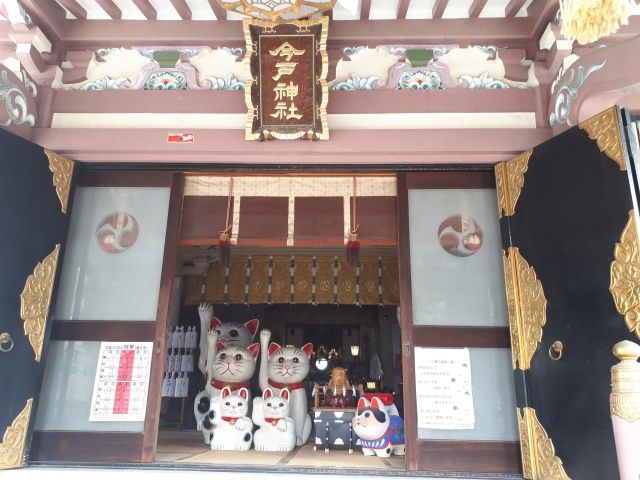
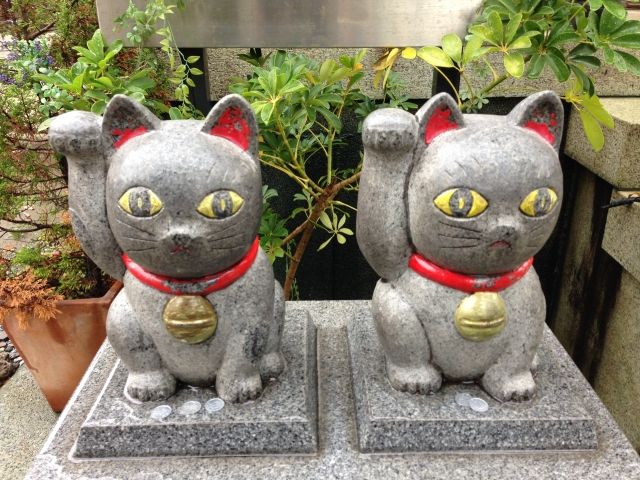
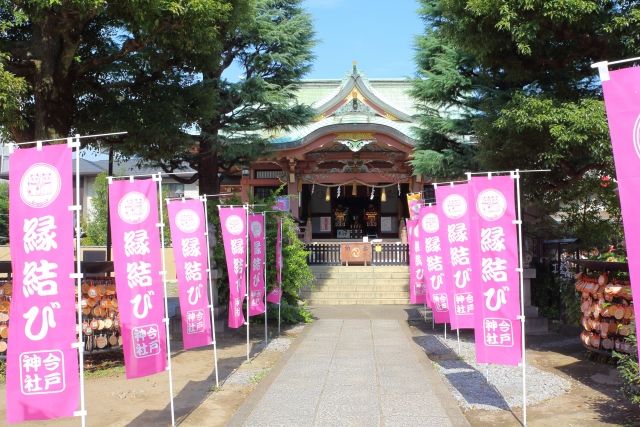
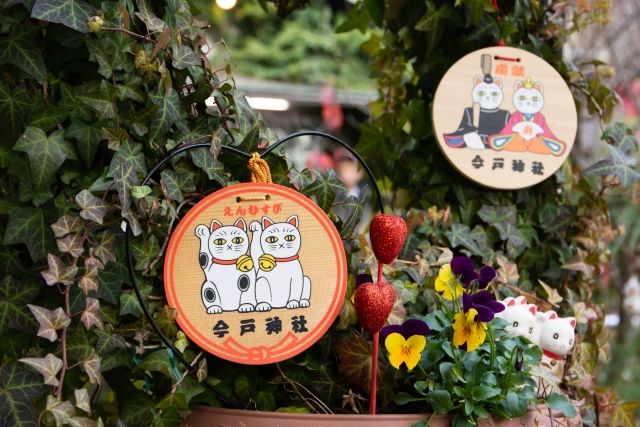
    Tucked away from the crowds, Imado Shrine is a hidden treasure for romantics and cat lovers alike. Believed to be the birthplace of the maneki-neko (beckoning cat), the shrine is adorned with feline statues and charms. Couples visit to pray for relationship blessings, while solo travelers come for luck and peace. The quiet approach along the riverbank is itself part of the experience.
    📍MAP

  5. Kappabashi Kitchen Town
    If you love food—or just love looking at it—you’ll be fascinated by Kappabashi. This street is a wonderland of Japanese culinary tools: razor-sharp knives, handcrafted ceramics, lacquerware, and ultra-realistic plastic food models. Even if you don’t cook, the shop displays are a visual delight. It’s the kind of place where even a spatula can be a souvenir.
    📍MAP

Recommended Hotels in Asakusa for International Travelers

🛏️ Asakusa View Hotel Annex Rokku(浅草ビューホテル アネックス 六区)

A cultural concept hotel opened in 2023, blending modern comfort with traditional Japanese charm. Located in the heart of Asakusa’s Rokku district, it offers rooms inspired by Edo-style aesthetics and features live performances by local geisha in its dining area. The rooftop bath and seasonal tasting menus make it a luxury stay with character.

English Support: Available at front desk; multilingual signage throughout.

Review:

“A brilliant fusion of tradition and luxury. The geisha dinner show made our stay unforgettable.” – Booking.com

🛏️ Richmond Hotel Premier Asakusa International(リッチモンドホテルプレミア浅草インターナショナル)

Steps away from Sensō-ji Temple and Nakamise Street, this modern hotel offers spacious, comfortable rooms with excellent amenities. The panoramic views from upper floors and international breakfast buffet are perfect for tourists wanting comfort and convenience.

English Support: Excellent; staff fluent in English and used to foreign guests.

Review:

“Superb location for sightseeing. Friendly staff and spotless rooms.” – Agoda

🛏️ APA Hotel Asakusa Tawaramachi Ekimae(アパホテル〈浅草 田原町駅前〉)

A great option for travelers looking for budget-friendly efficiency with Japanese hospitality. Located just a minute from Tawaramachi Station, the hotel features compact but modern rooms with smart features like automatic lighting and on-demand video. A small public bath adds a relaxing touch after a day of sightseeing.

English Support: Basic English spoken; check-in kiosks have multilingual options.

Review:

“Affordable, clean, and super close to the subway. Perfect base for Tokyo explorers.” – Expedia

🛏️ The Gate Hotel Kaminarimon by HULIC(ザ・ゲートホテル雷門 by HULIC)

Located just steps from the iconic Kaminarimon Gate, this boutique hotel offers stunning city views from its rooftop terrace. Its chic interiors and artistic touches make it popular with design-conscious travelers. The on-site restaurant serves up refined Japanese-Western fusion breakfast and evening cocktails.
English Support: Very good; all front staff are English-proficient.

Review:

“The rooftop bar view of Skytree and Sensō-ji was breathtaking. Stylish and comfortable.” – Booking.com

🛏️ Hotel Keihan Asakusa(ホテル京阪 浅草)

A reliable mid-range option just minutes from Asakusa Station. Rooms are compact yet well-organized, offering excellent sleep quality with high-grade bedding. Ideal for solo travelers and couples seeking practicality without sacrificing comfort.
English Support: Moderate; front desk can assist with basic communication.

Review:

“Quiet, clean, and right near all the attractions. A peaceful place to return to at night.” – TripAdvisor


How to Access Asakusa (Tokyo)
✈️ From Narita International Airport (NRT)

Option 1: Via Keisei Skyliner + Subway

  • Step 1: Take the Keisei Skyliner to Ueno Station
    ⏱️ Approx. 40–45 minutes

  • Step 2: Transfer to the Tokyo Metro Ginza Line and ride to Asakusa Station
    ⏱️ Approx. 5 minutes

Option 2: Via Airport Limousine Bus

  • Route: Direct bus to Asakusa View Hotel or Asakusa Station
    ⏱️ Approx. 90–120 minutes (depending on traffic)

📌 Tip: Keisei Skyliner is faster and offers luggage space and free Wi-Fi.


 ✈️ From Haneda Airport (HND)

Option 1: Via Keikyu Line + Subway

  • Route: Take the Keikyu Line with direct access to Asakusa Station
    ⏱️ Approx. 35–45 minutes (no transfers)

Option 2: Via Airport Limousine Bus

  • Route: Direct bus to major hotels in the Asakusa area
    ⏱️ Approx. 60–90 minutes

📌 Tip: The Keikyu Line offers a seamless ride into Asakusa with clear English signage.


🚉 From Tokyo Station

Option 1: JR + Tokyo Metro

  • Step 1: Take the JR Yamanote Line to Kanda Station
    ⏱️ Approx. 2 minutes

  • Step 2: Transfer to the Tokyo Metro Ginza Line and ride to Asakusa Station
    ⏱️ Approx. 10 minutes total

Option 2: Taxi

  • ⏱️ Approx. 15–20 minutes depending on traffic

  • 💴 Estimated Fare: ¥2,000–¥3,000

📌 Tip: Taxis are convenient with luggage but more expensive than trains.


ℹ️ Additional Notes

  • IC cards like Suica or PASMO can be used on all train and subway routes.

  • For a smoother trip, consider traveling early in the morning or late evening to avoid crowds.

  • At Asakusa Station, follow signs for the Kaminarimon Exit to reach Sensō-ji Temple and Nakamise Street.

上部へスクロール