

Nara Japan: Explore Ancient Temples, Friendly Deer, and Cultural Charm
Nara Japan: A Peaceful Town Full of History and Heart
Looking for a place where you can walk among sacred temples, meet friendly deer, and feel Japan’s deep roots? Welcome to Nara Japan.
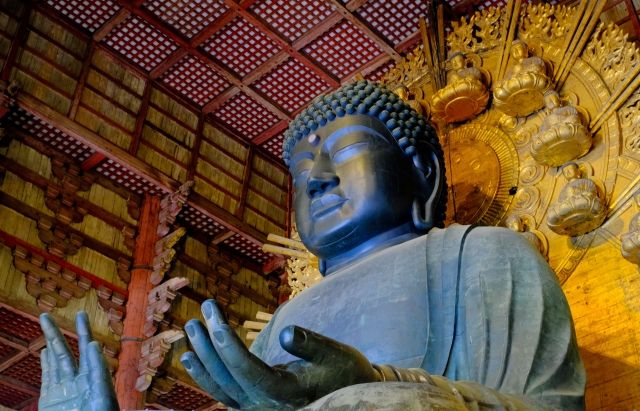
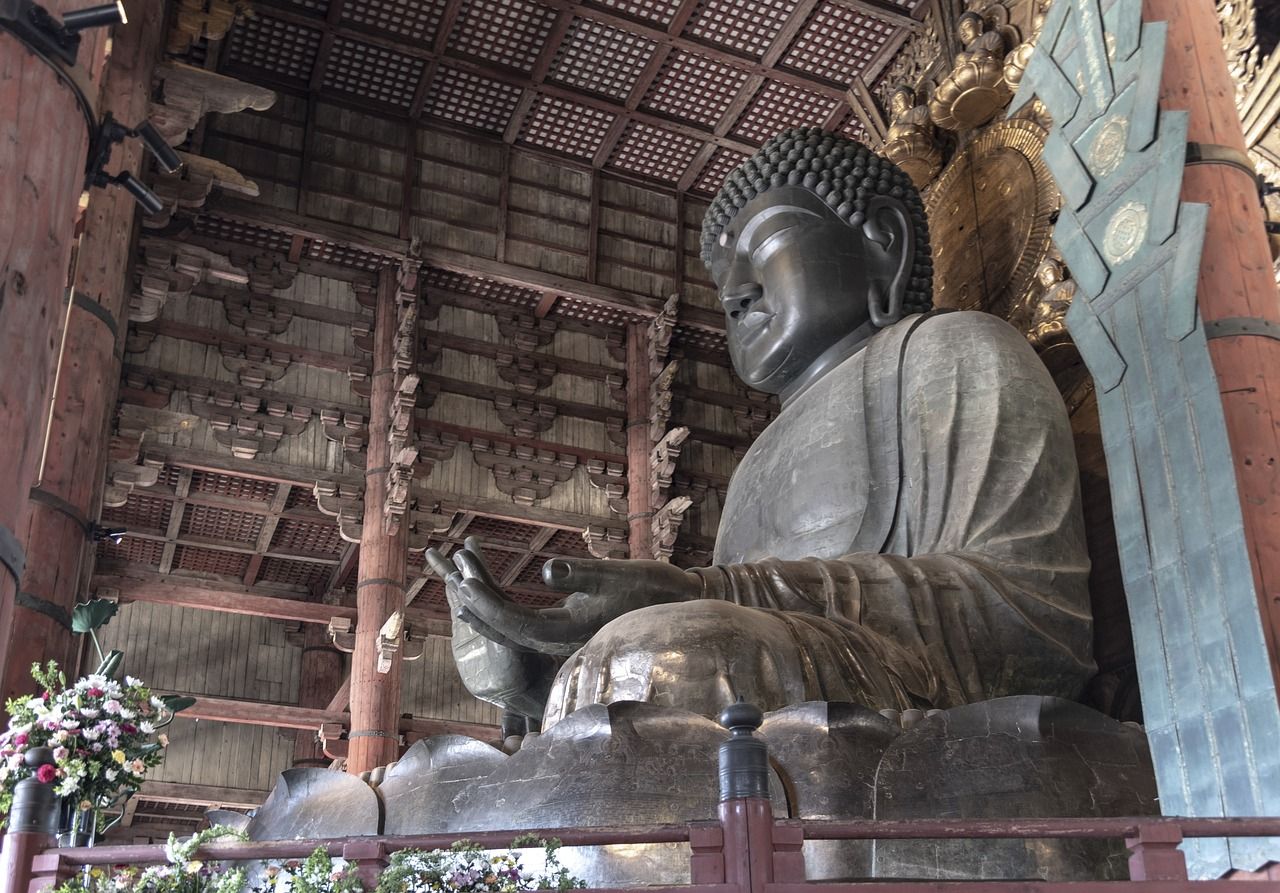
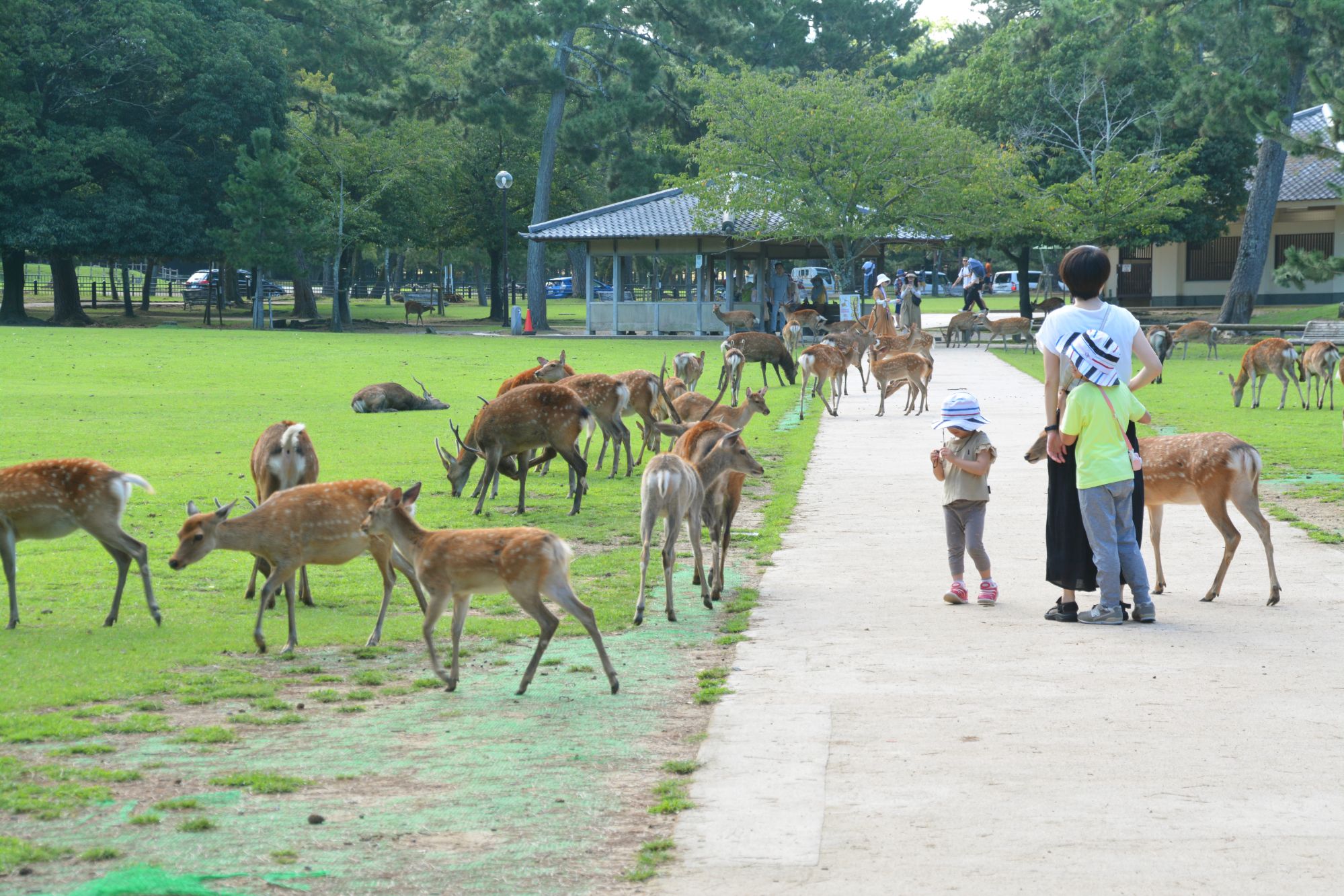
Just about an hour from Kyoto or Osaka, Nara is perfect for a slow day trip—or even better, an overnight stay if you want to really soak in the peaceful vibe. This town was once Japan’s first capital, and you can still feel that sense of history everywhere—from the giant Buddha at Todai-ji to the glowing lanterns of Kasuga Shrine.
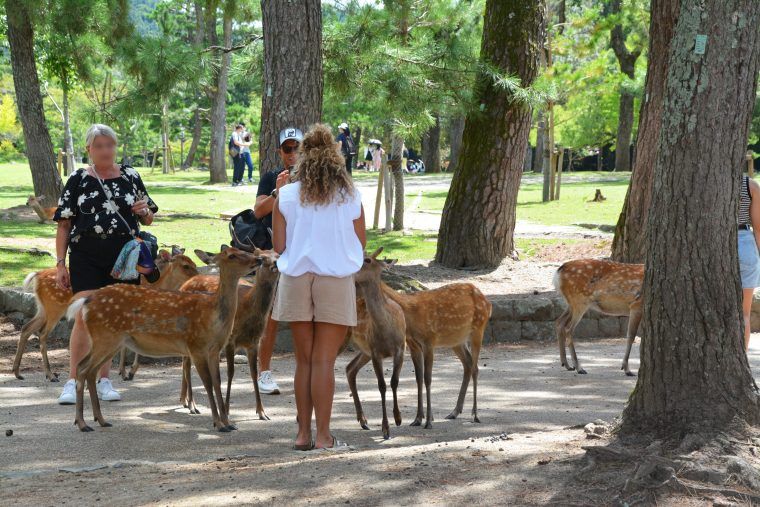
Nara isn’t just about old temples, though. It’s about slowing down, taking a breath, and meeting Japan’s calm and kind side. Whether you’re feeding the bowing deer or just strolling quiet streets, Nara has a way of making you feel right at home.

⛩️ Nara Japan: A City Where Culture Lives and Breathes


One of the best things about Nara Japan is how deeply culture is woven into everyday life. You’re not just looking at history—you’re walking through it.
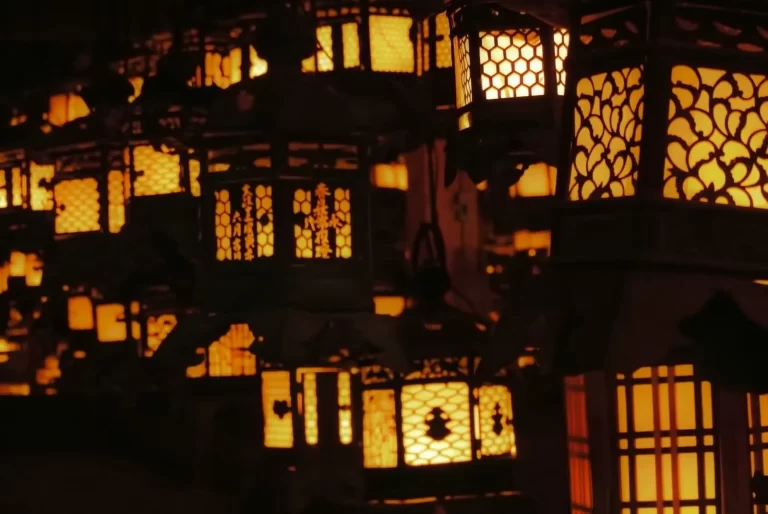
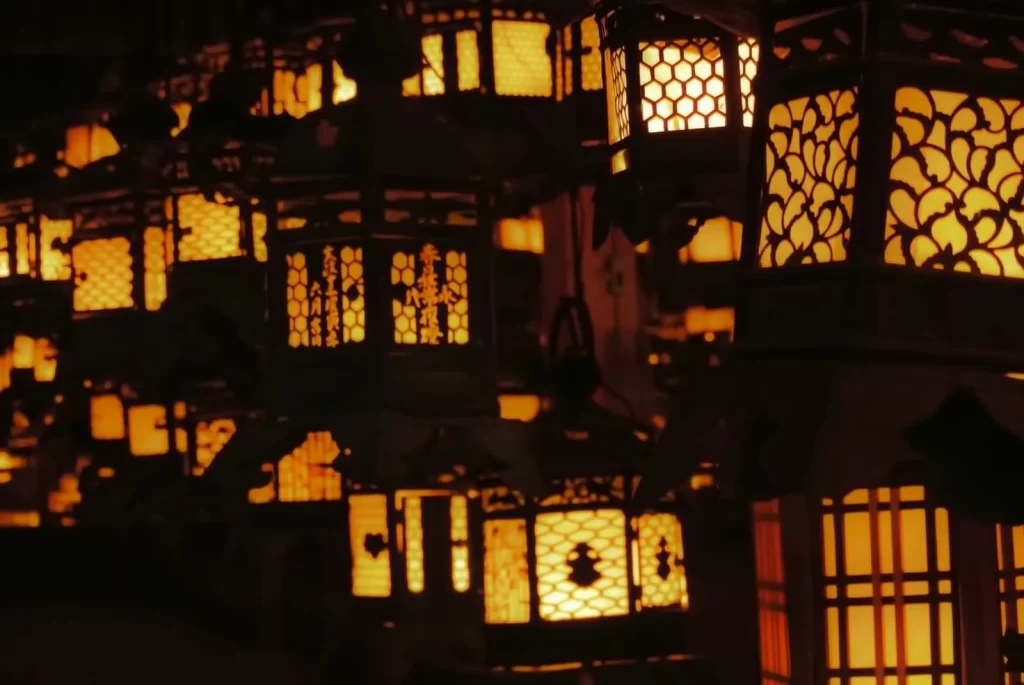
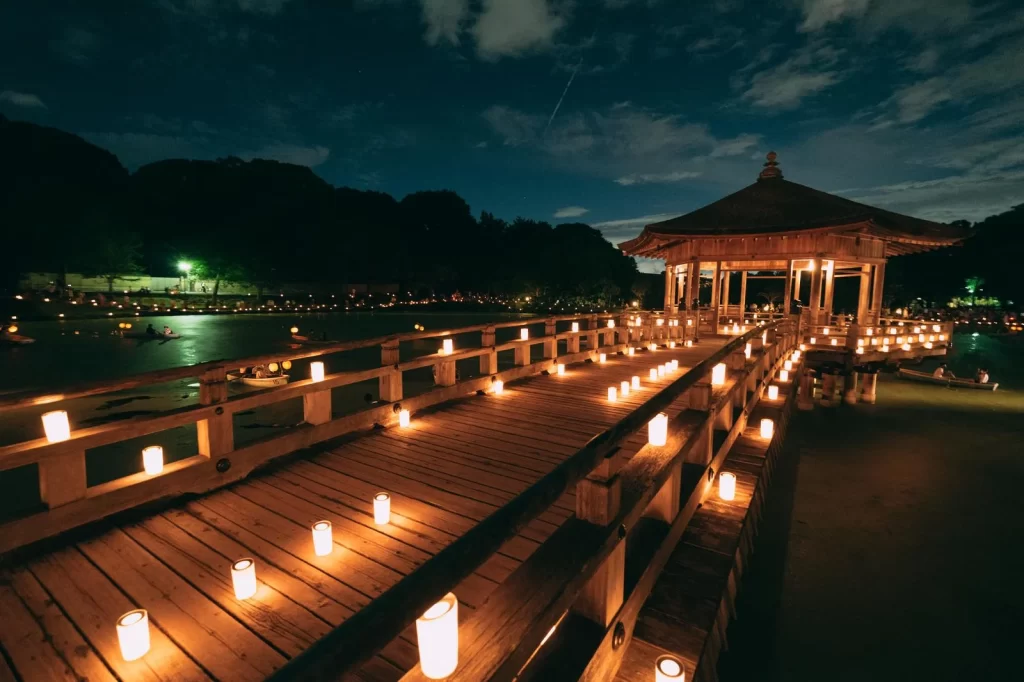
Local festivals like the Omizutori ceremony at Todai-ji have been held for over 1,200 years and still draw crowds every March. The gentle flicker of thousands of lanterns at Kasuga Taisha during the Mantoro Festival creates a magical glow that feels straight out of a fairytale.
And there’s more. Explore the old merchant town of Naramachi, where narrow streets and wooden townhouses give you a taste of Edo-era life. You can step into traditional craft shops, sip matcha in centuries-old teahouses, and discover the quiet pride locals have in preserving their heritage.
In Nara, tradition isn’t locked behind glass—it’s alive, welcoming, and waiting to be part of your journey.
Local Flavors and Scenic Treasures

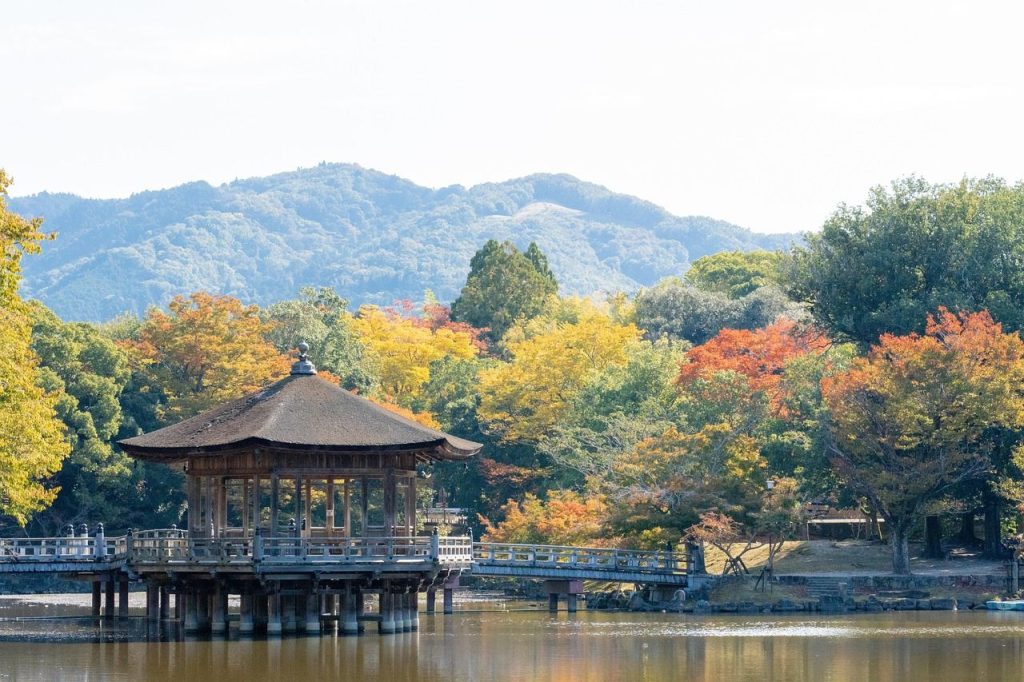

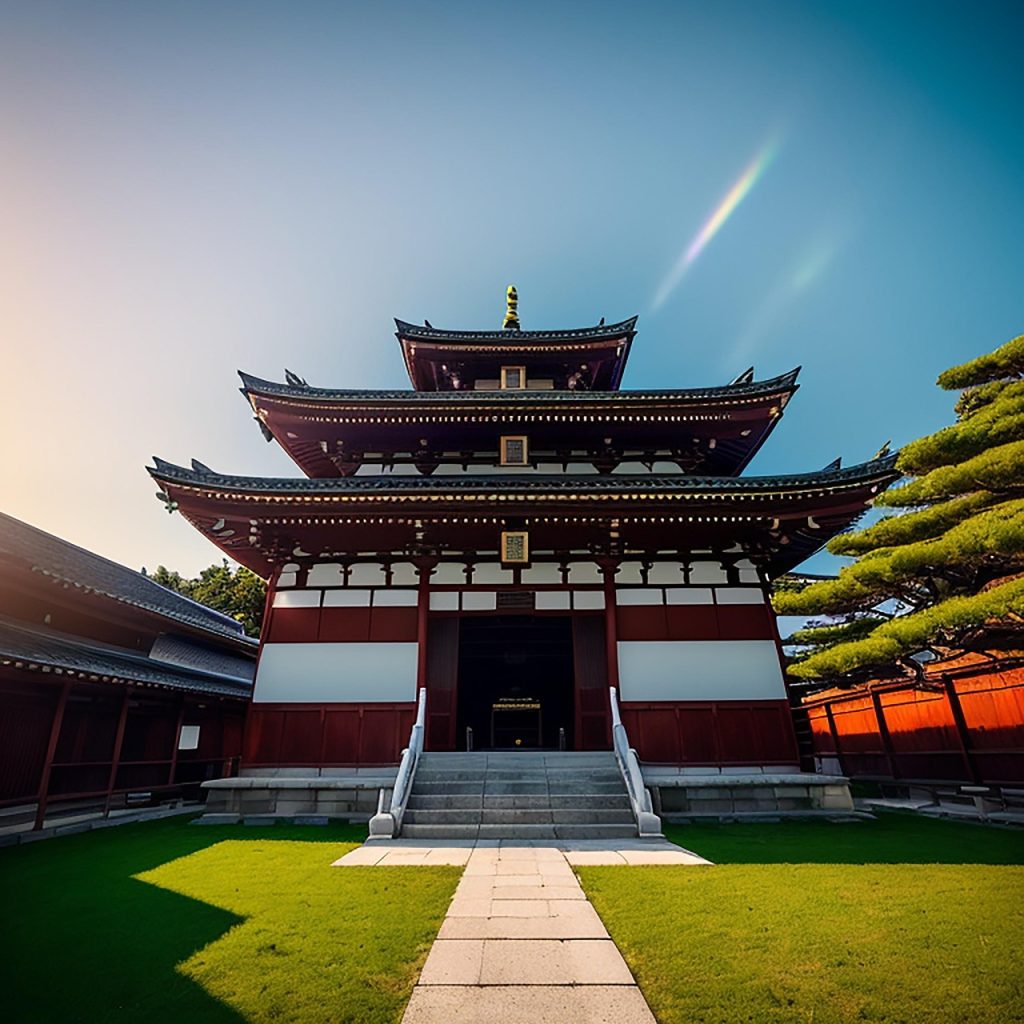
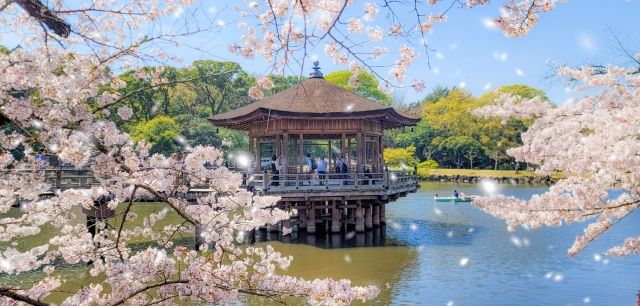
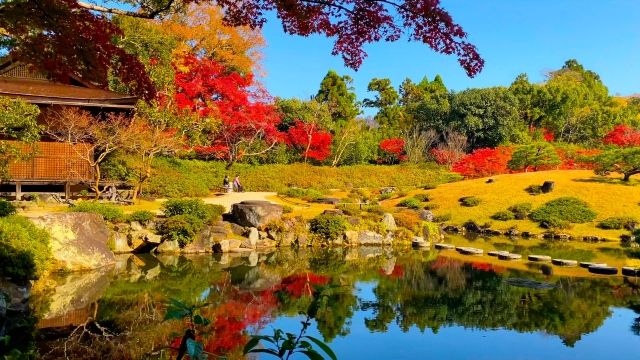
🍵 Nara Japan: Savor Local Flavors and Breathe in Timeless Scenery
Nara Japan isn’t just a cultural treasure—it’s a feast for the senses. From traditional street snacks to peaceful garden views, everything feels like it was made to slow you down and make you smile.
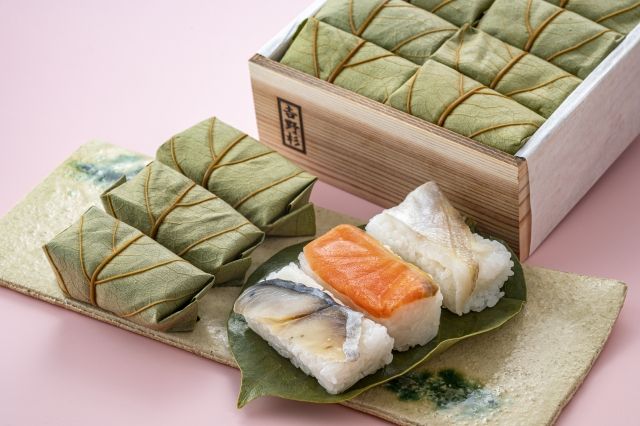
Start with kakinoha sushi—bite-sized rice topped with mackerel and wrapped in fragrant persimmon leaves. Then warm up with narazuke pickles and a bowl of local somen noodles, which are light, smooth, and full of history. You’ll find these in family-run shops and centuries-old restaurants that have served pilgrims and travelers for generations.
But Nara’s scenery is just as rewarding. Wander around Isuien Garden, where perfectly arranged stones and flowing streams offer a moment of Zen. Or climb up Wakakusa Hill for sweeping views over the city, especially magical at sunset.
In Nara, meals nourish more than your body—and views calm more than just your eyes.
Top 15 Must-Visit Places in Nara Japan – Ranked by Priority
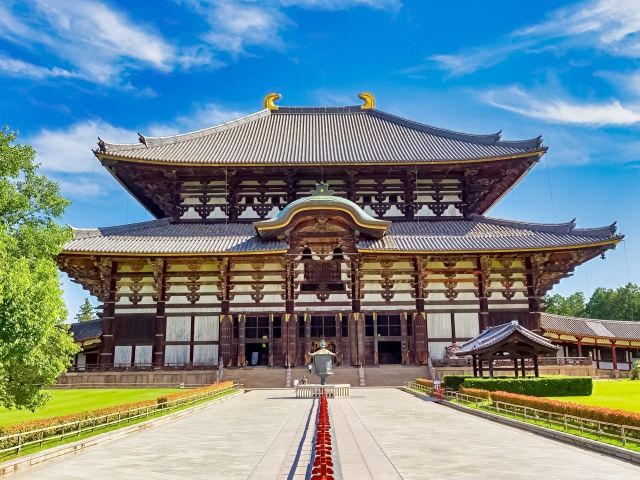
Tōdai-ji Temple(東大寺)
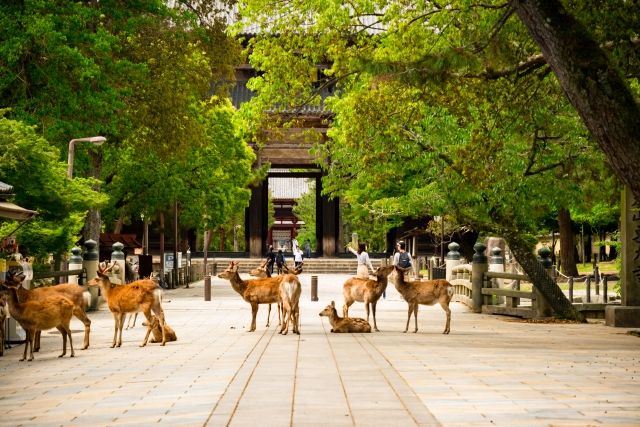
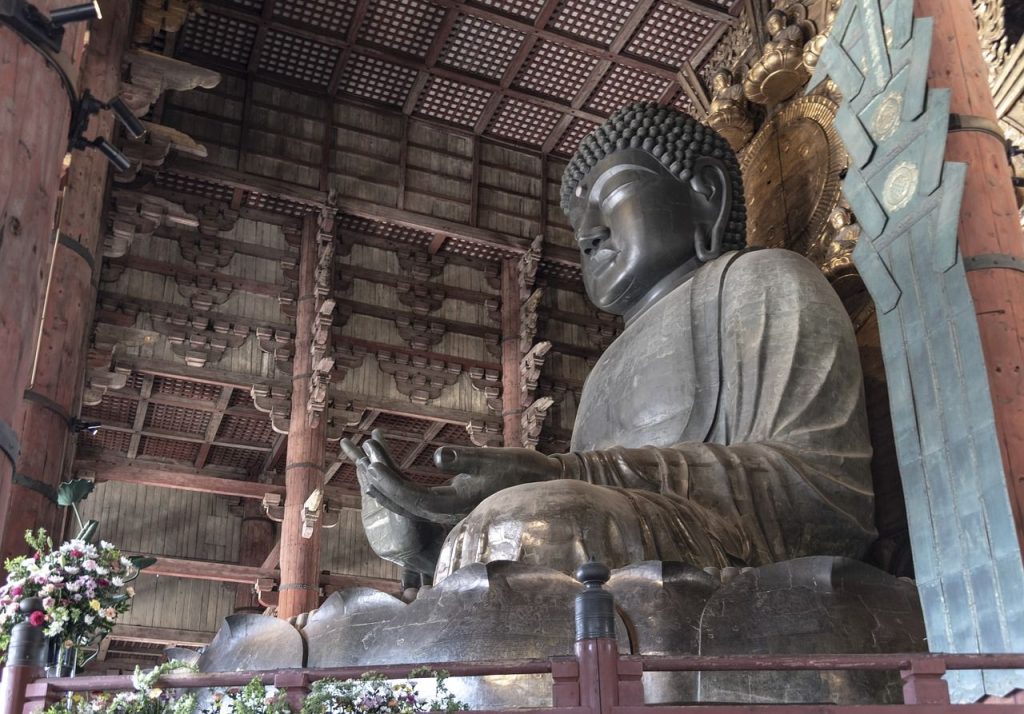
- Tōdai-ji is one of Japan’s most famous and historically significant temples. Built in the 8th century, it houses the Daibutsu (Great Buddha), a towering bronze statue seated within the world’s largest wooden building. Walking through the massive wooden gates and stepping into the grand hall is a breathtaking experience. The temple grounds are also home to peaceful gardens and smaller sub-temples, offering a full spiritual and cultural immersion.
Nara Park(奈良公園)
Located in the heart of Nara City, this spacious park is best known for its over 1,000 tame deer that roam freely. Considered messengers of the gods, these deer bow in exchange for special crackers sold by vendors. Beyond the deer, the park features scenic trails, lakes, and is surrounded by several important landmarks including Tōdai-ji, Kasuga Taisha, and the Nara National Museum.
Kasuga Taisha Shrine(春日大社)
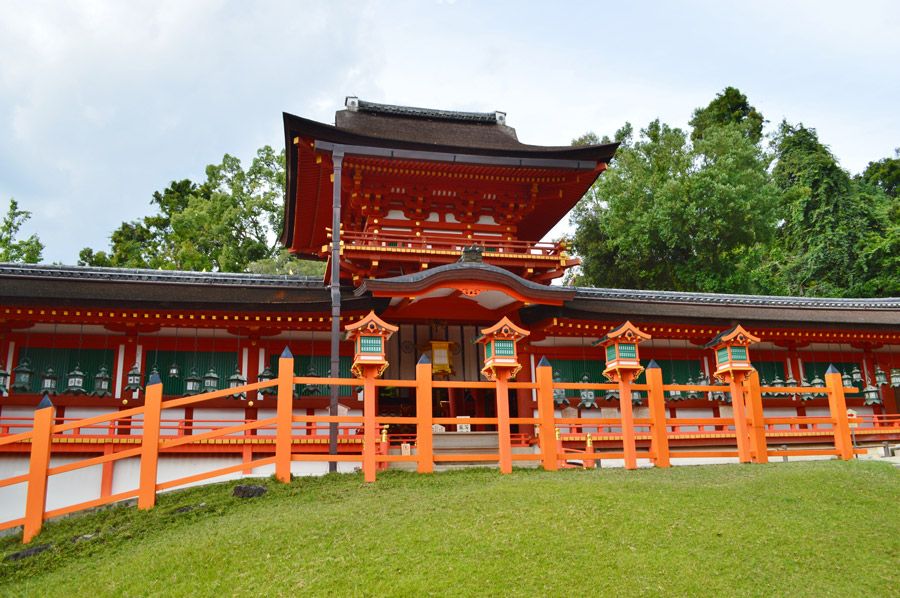
This UNESCO World Heritage Site is famous for its vermillion-lacquered buildings and over 3,000 stone and bronze lanterns lining the paths. Twice a year, during the Mantoro Lantern Festivals, all the lanterns are lit at once—creating a dreamlike atmosphere that transports you to another era. The surrounding primeval forest adds to its mystical charm.
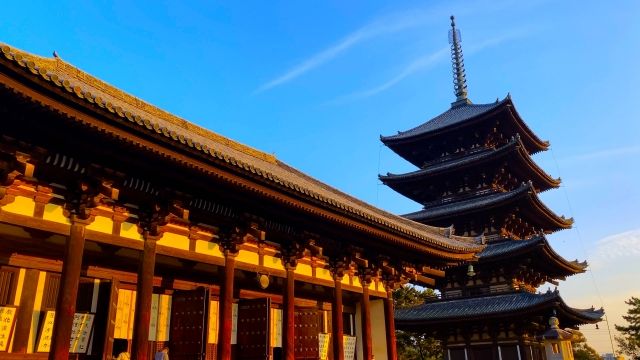
Kōfuku-ji Temple(興福寺)
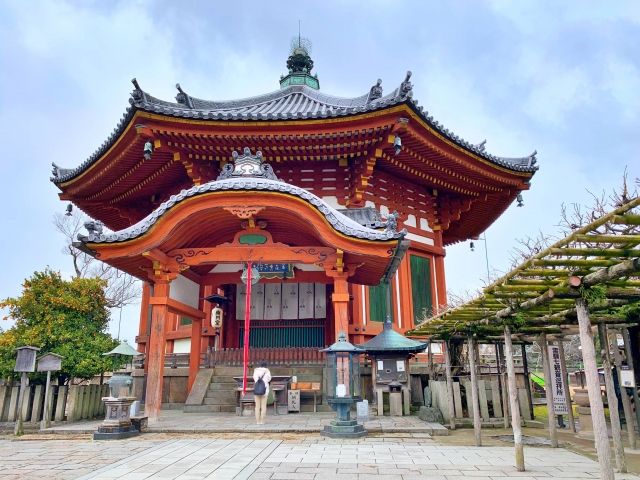
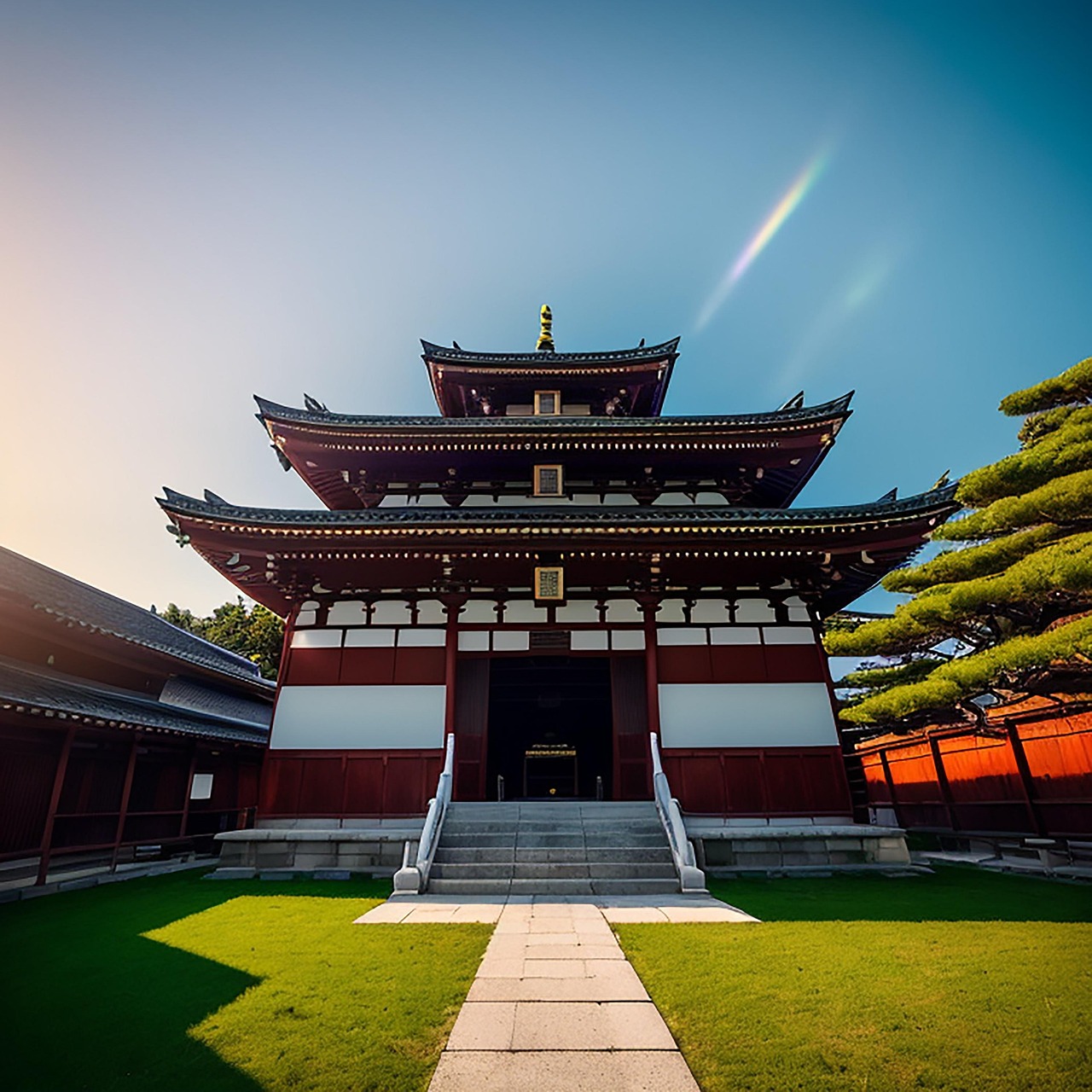
Originally founded in 669 and relocated to Nara in 710, Kōfuku-ji was a powerful temple closely tied to the Fujiwara clan. The temple complex includes a striking five-story pagoda and the Kokuhōkan (National Treasure Museum), home to rare Buddhist sculptures and artifacts. Its location just minutes from Nara Park makes it easy to visit during a city stroll.
Naramachi(ならまち)
Naramachi is Nara’s old merchant district, where Edo-period architecture and narrow alleyways transport you back in time. Traditional machiya townhouses have been converted into charming cafés, craft shops, and mini museums. It’s an ideal place to enjoy matcha tea, shop for handmade goods, or simply wander the atmospheric streets and imagine life centuries ago.
Isuien Garden(依水園)
This scenic Japanese garden is divided into two parts: one from the Edo period and the other from the Meiji era. Together, they feature meticulously designed ponds, stepping stones, seasonal plants, and elegant tea houses. The garden’s backdrop includes views of Tōdai-ji rooftops and Mount Wakakusa, making it a tranquil retreat from the busy streets nearby.
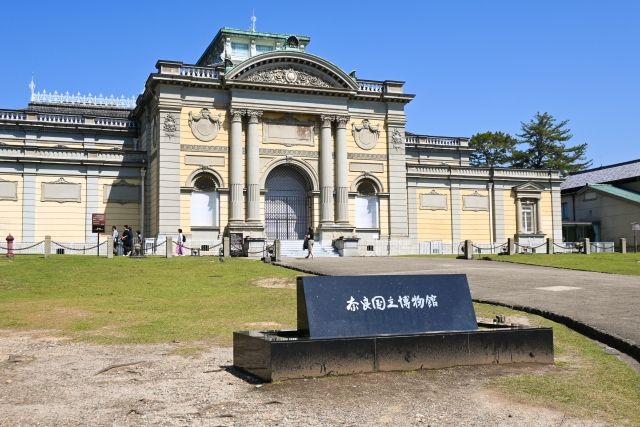
Nara National Museum(奈良国立博物館)
For those interested in Buddhist art and history, this museum is a must. Its permanent collection showcases intricate statues, sacred texts, and religious items, while the annual Shōsōin Exhibition in autumn presents treasures once belonging to Emperor Shōmu. The museum is located in Nara Park and offers English descriptions for most exhibits.
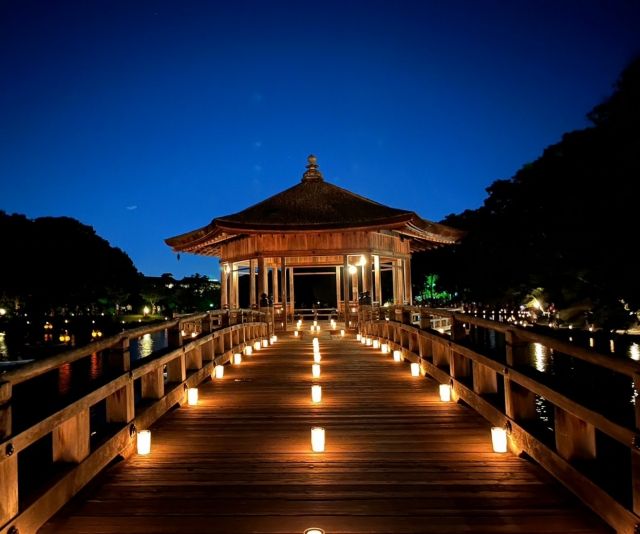
Ukimidō Pavilion(浮見堂)
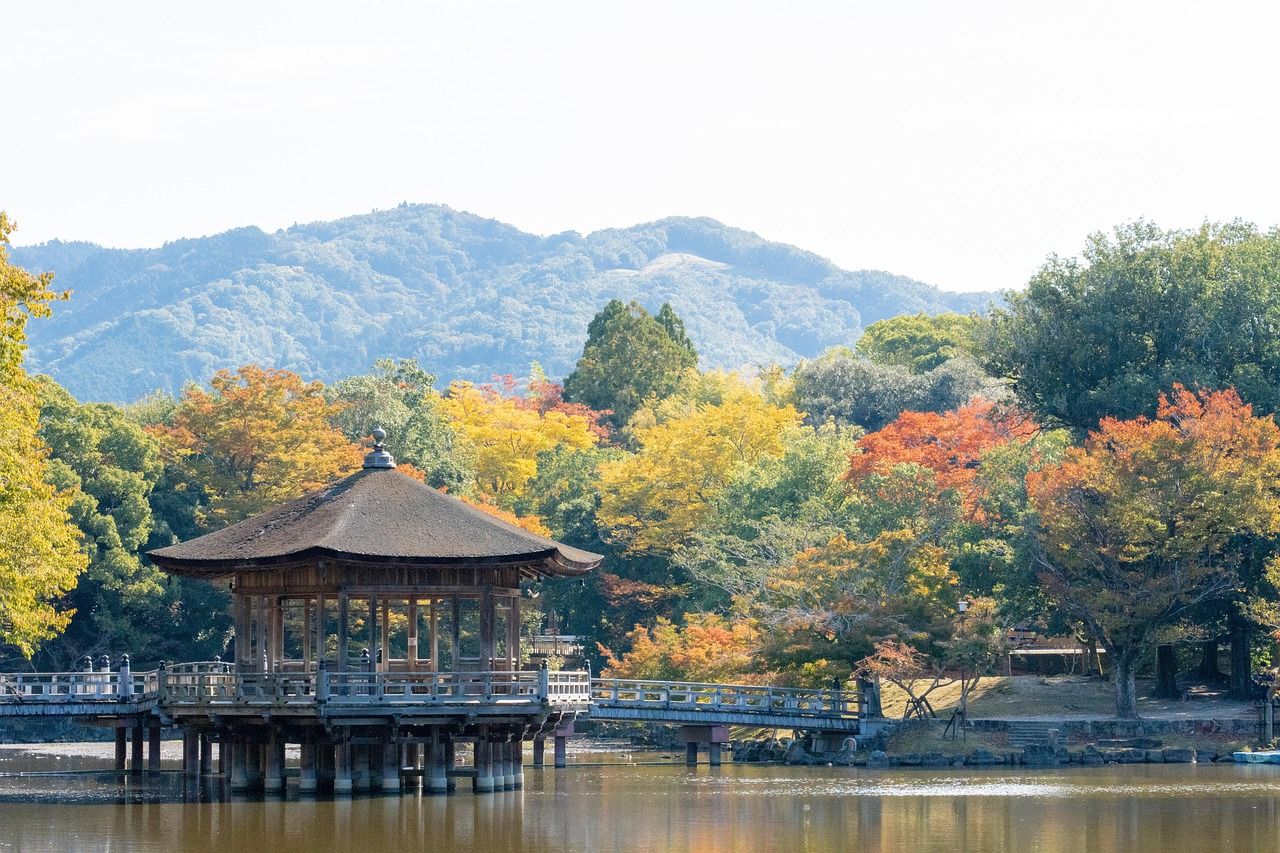
This hexagonal wooden pavilion floats gracefully on Sagiike Pond in Nara Park. It’s especially beautiful during cherry blossom and autumn leaf seasons. A walk to Ukimidō at sunrise or sunset reveals stunning reflections across the water and offers a peaceful escape from the more crowded temple areas.
Mount Yoshino(吉野山)
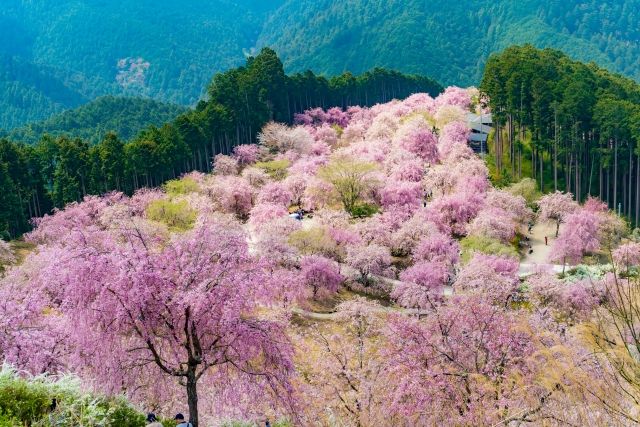
Famed for having over 30,000 cherry trees, Mount Yoshino is Japan’s most celebrated sakura viewing site. While best in spring, it’s also stunning in autumn. Cable cars, walking trails, and mountain temples make it a picturesque destination for nature lovers and photographers.
🎁 Top 5 Souvenirs from Nara Japan
- Deer-Themed Snacks & Goods(鹿モチーフのお菓子・雑貨)
Nara is famous for its friendly deer, so it’s no surprise that many souvenirs reflect this local icon. You’ll find deer-shaped cookies, senbei (rice crackers), plush toys, and even socks. These charming items are available in souvenir shops around Nara Park and Naramachi. - Kakinoha Sushi(柿の葉寿司)
A regional specialty of Nara, this pressed sushi features mackerel or salmon wrapped in fragrant persimmon leaves. It’s slightly fermented and has a refreshing, preserved flavor. Kakinoha sushi is a popular gift and often sold in beautifully wrapped boxes at major train stations and local shops. - Nara Pickles – Narazuke(奈良漬)
Narazuke is a traditional type of pickle made by fermenting vegetables in sake lees (the sediment from rice wine). Rich, slightly sweet, and full of umami, narazuke pairs well with rice or as a snack with drinks. You’ll find various types in specialty stores and department basements. - Nara Calligraphy Brushes(奈良の筆)
Nara has a centuries-old tradition of handmade calligraphy brushes, crafted by skilled artisans. These brushes are popular among both artists and collectors. Even if you don’t use them for writing, they make beautiful keepsakes that reflect traditional Japanese craftsmanship. - Asuka Pottery(飛鳥焼)
Originating from the Asuka region, this rustic pottery features earthy glazes and organic shapes. Each piece is handmade and unique, making it a meaningful and practical souvenir. Look for them in pottery workshops and local galleries in Asuka Village and central Nara.
🏨 Recommended Ryokan & Hotels in Nara Japan
1. Fufu Nara(ふふ 奈良)
A luxury ryokan-style hotel designed by renowned architect Kengo Kuma, located within Nara Park. All suites include private outdoor baths, blending local cedar, soft lighting, and refined hospitality. The experience is immersive, peaceful, and distinctly Japanese.
English support: Excellent (English-speaking staff, concierge, English menus)
Review: “A sanctuary in the forest. The open-air bath and seasonal meals made it feel like a private retreat.” — Relux
2. Shisui Luxury Collection Hotel Nara(紫翠 ラグジュアリーコレクションホテル 奈良)
Converted from the former Nara Governor’s Residence, this hotel combines classical architecture with modern amenities. Each room offers garden views and soaking tubs with natural hot spring water. Dining is elegant and grounded in local tradition.
English support: Very good (bilingual staff, multilingual service)
Review: “The garden view from the bath was breathtaking. It felt like staying in a historical villa.” — Marriott Bonvoy
3. NIPPONIA HOTEL Nara Naramachi(NIPPONIA HOTEL 奈良 ならまち)
Set in a renovated sake brewery in Naramachi, this boutique hotel has only 8 rooms, each retaining traditional wood architecture with modern comforts. Guests enjoy seasonal dishes paired with curated local sake.
English support: Moderate (staff offer basic English, menus provided)
Review: “So charming and unique. The food and sake pairing was like a cultural lesson on a plate.” — Rakuten Travel
4. Ando Hotel Nara Wakakusayama(アンドホテル 奈良 若草山)
A stylish boutique hotel perched on Mount Wakakusa. It offers luxury with a modern twist—private onsen-style baths, designer interiors, and floor-to-ceiling windows with forest views.
English support: Good (staff speak basic English, signage available)
Review: “A peaceful escape from the city. Watching the sunrise from our room was unforgettable.” — Expedia
5. JW Marriott Hotel Nara(JWマリオット・ホテル奈良)
A luxurious international hotel in the heart of Nara offering elegant Western-style rooms with Japanese accents. Guests can enjoy spa treatments, high-end dining, and impeccable service. Great for global travelers who seek comfort and refinement.
English support: Excellent (fully English-capable staff and website)
Review: “Flawless service and truly comfortable rooms. A perfect mix of Western luxury and Japanese warmth.” — Booking.com
🚉 How to Get to Nara Japan: A Smooth Journey into History
Nara is located in the Kansai region of Japan, and is easily accessible from major cities like Kyoto, Osaka, and even Kansai International Airport. Whether you’re staying nearby or arriving from overseas, here’s how to reach Nara with ease:
✈️ From Kansai International Airport (KIX)
Route: Take the JR Kansai Airport Rapid Service to Tennoji Station, then transfer to the JR Yamatoji Line to JR Nara Station
Time: Approx. 90–100 minutes
Tip: If you hold a JR Pass, this route is fully covered. Use the “JR Kansai Area Pass” for additional flexibility.
🚄 From Kyoto
Route: Take the JR Nara Line (rapid service) directly to JR Nara Station
Time: Approx. 50–60 minutes
Alternative: Kintetsu Kyoto Line to Kintetsu Nara Station (slightly faster, closer to Nara Park)
Tip: Kintetsu Nara Station is more centrally located for sightseeing.
🚄 From Osaka (Osaka Station or Namba)
From Osaka Station: Take the JR Yamatoji Line to JR Nara Station
Time: Approx. 50 minutes
From Namba Station: Take the Kintetsu Nara Line to Kintetsu Nara Station
Time: Approx. 40 minutes
Tip: Kintetsu is often preferred for its proximity to the main attractions.
🧭 Final Tips for International Travelers
Navigation: Use apps like Google Maps or NAVITIME Japan Travel to check live schedules and platforms.
IC Cards: ICOCA, Suica, and PASMO cards are accepted, but not always valid in smaller rural buses—carry some cash.
Station Signage: Major stations have multilingual signs (Japanese, English, Chinese, Korean).
Luggage: Coin lockers and delivery services (takkyubin) are available at JR Nara and Kintetsu Nara stations.


