

Kusatsu Onsen
Kusatsu Onsen - An Unexpected Love Affair
In fact, Kusatsu Onsen is more than just another hot spring spot—it’s one of Japan’s most iconic and beloved getaways. Time and again, it ranks at the top of national onsen lists, and once you’re there, it’s easy to understand why. Picture this: clouds of steam curling through charming streets, old-fashioned ryokan with creaky floors and paper walls, and mineral-rich waters so healing that they’ve been praised for centuries.
The whole town feels like it’s been lifted from a timeless postcard. There’s an atmosphere here that’s hard to describe—equal parts soothing and slightly surreal. Even the scent of sulfur in the air feels like part of the welcome.
Some say, “You haven’t really experienced Japan until you’ve soaked in Kusatsu’s famous waters.” And honestly? They’re not wrong. Whether you come for the healing properties, the nostalgia, or simply to slow down, Kusatsu has a way of leaving a mark.
Explore Kusatsu’s Living Culture and Timeless Traditions
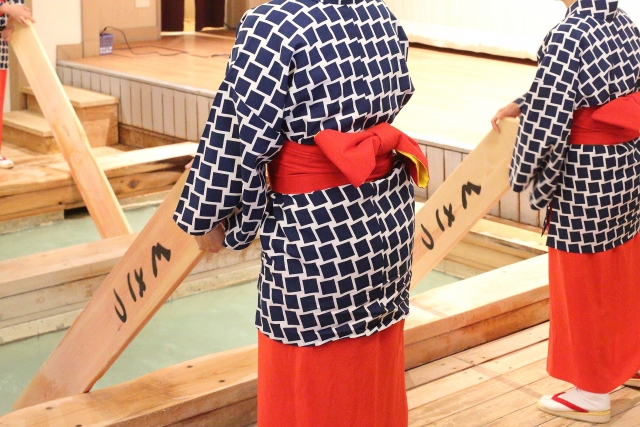
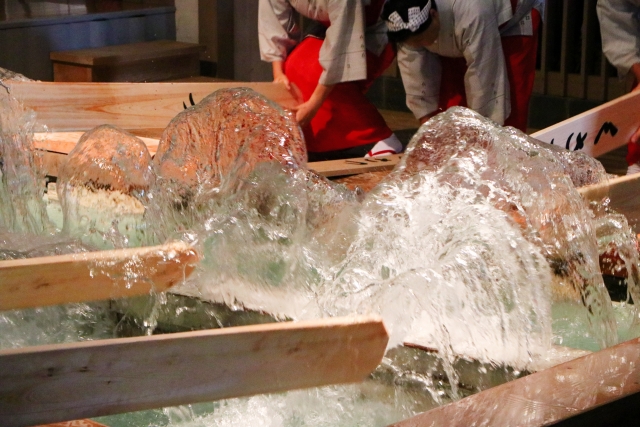
For generations, people have been drawn to Kusatsu not just for its breathtaking scenery, but for its legendary hot spring water. Renowned for its powerful acidity, Kusatsu’s springs are said to ease fatigue, treat skin conditions, and leave bathers feeling refreshed from the inside out.
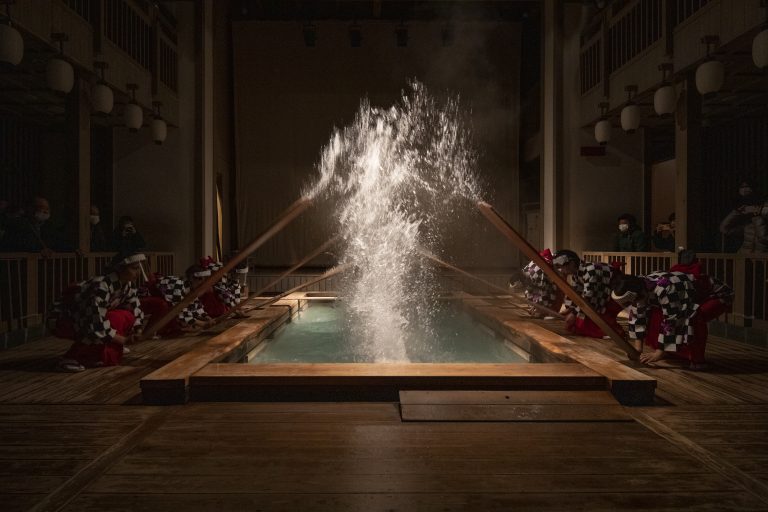
But Kusatsu is more than just what you soak in—it’s also what you experience. Take the famous “Yumomi” performance, for example. Local women in traditional outfits rhythmically stir the scalding water using large wooden paddles, all while singing cheerful folk songs. It’s part show, part ritual, and 100% unforgettable.
There’s something heartwarming about it—watching generations preserve this quirky custom with such joy. It’s not just entertainment; it’s cultural memory passed on in every splash and song.
Taste Kusatsu’s Local Cuisine and Discover Its Scenic Highlights
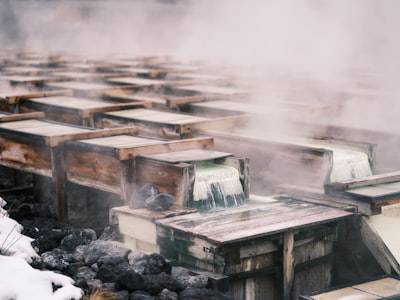
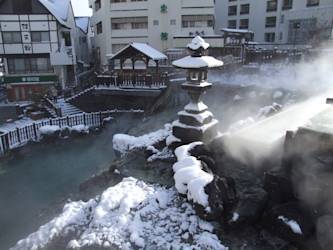
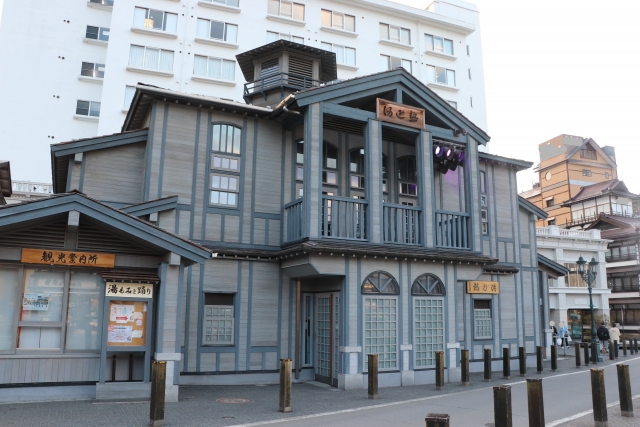
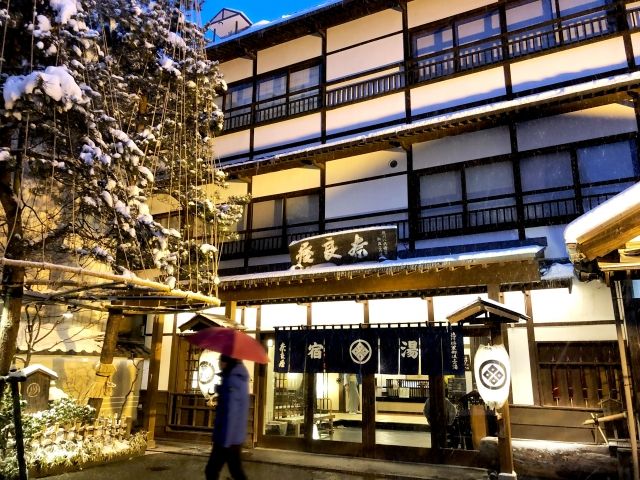
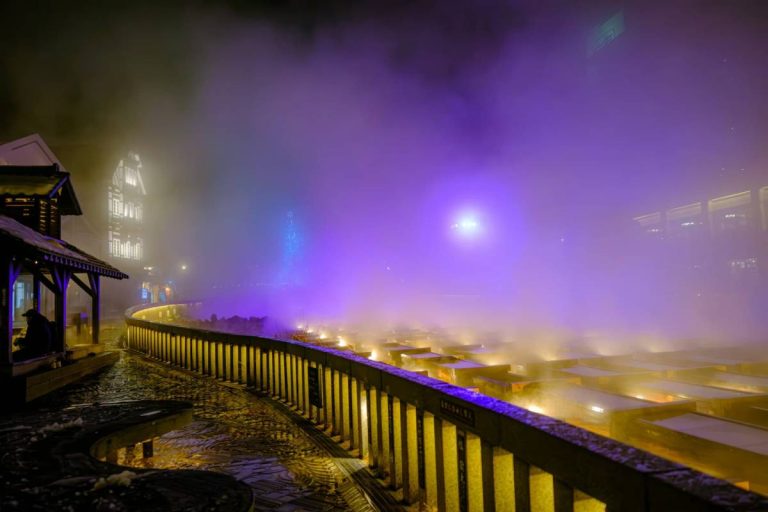


The Allure of Kusatsu - More Than Just Hot Springs
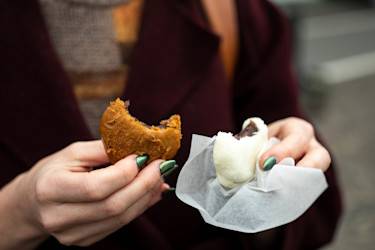
Kusatsu’s charm goes well beyond its famous thermal waters. For food lovers, the town offers delightful treats like onsen manju—fluffy steamed buns with sweet red bean filling that pair perfectly with a stroll through the old streets. You’ll also find rustic soba shops serving up handmade noodles, rich in both taste and tradition.
Nature lovers won’t be disappointed either. Sainokawara Park blends open-air baths with a serene riverside trail, perfect for a slow walk surrounded by steam and silence. And for the adventurous? A short trip up Mount Shirane reveals a dramatic volcanic landscape and a tranquil crater lake that’s almost otherworldly.
It’s these little surprises—delicious, scenic, and soulful—that make Kusatsu a destination worth savoring.
Top 5 Must-Visit Attractions in Kusatsu Onsen for First-Time Visitors
1. Yubatake (湯畑)
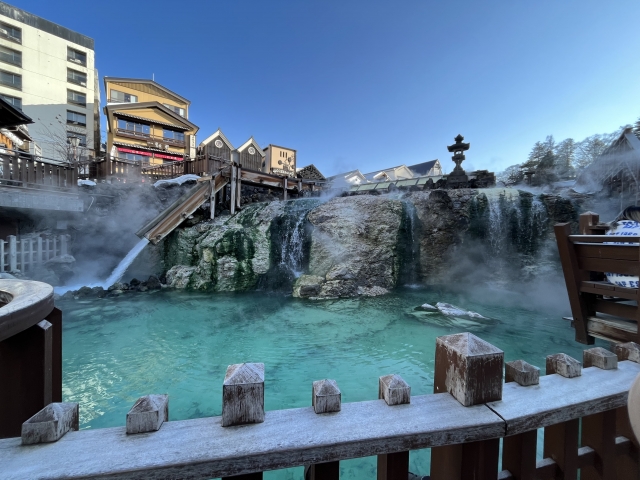
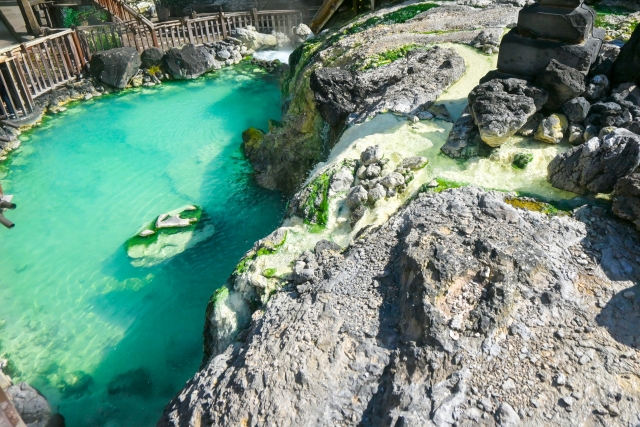
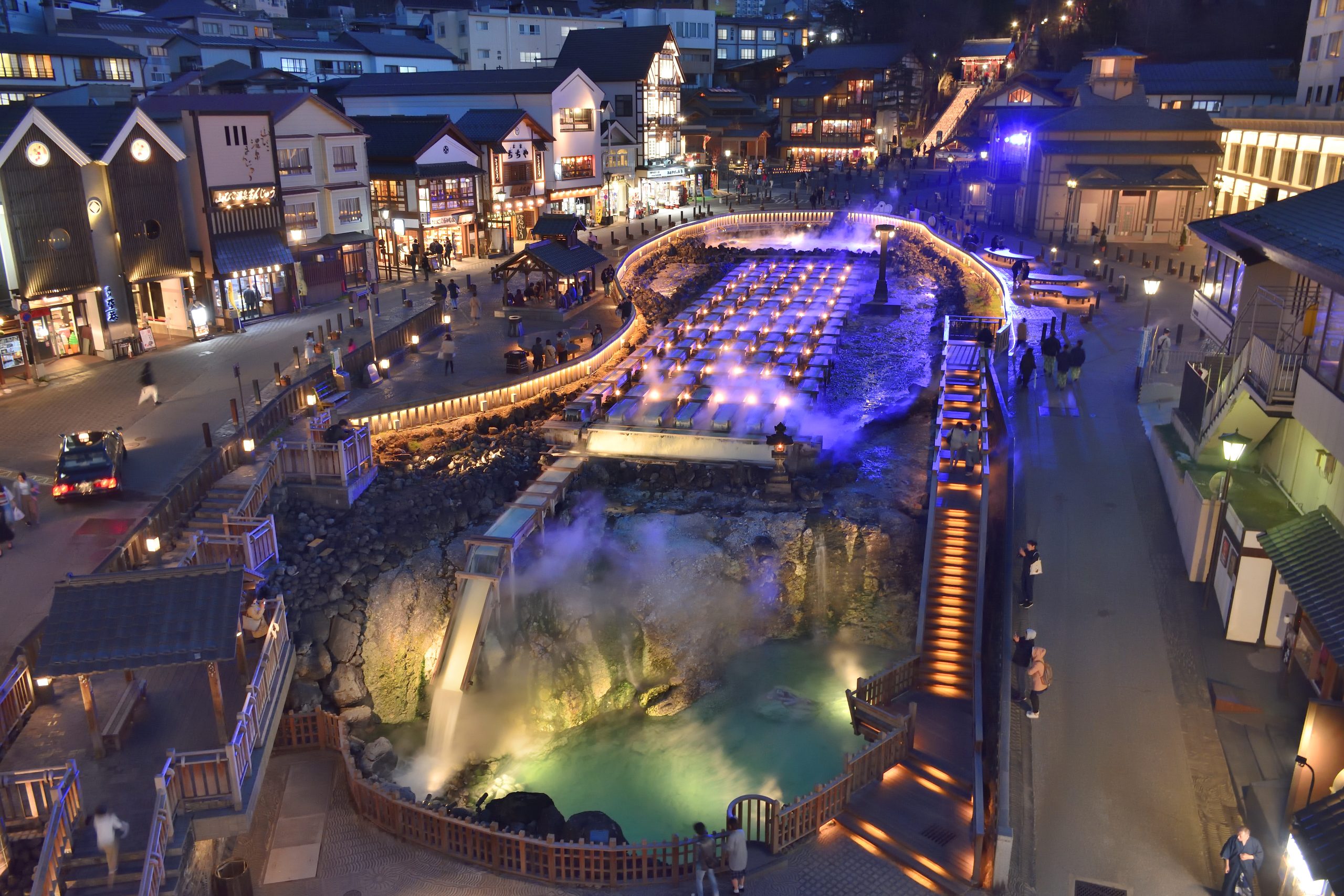
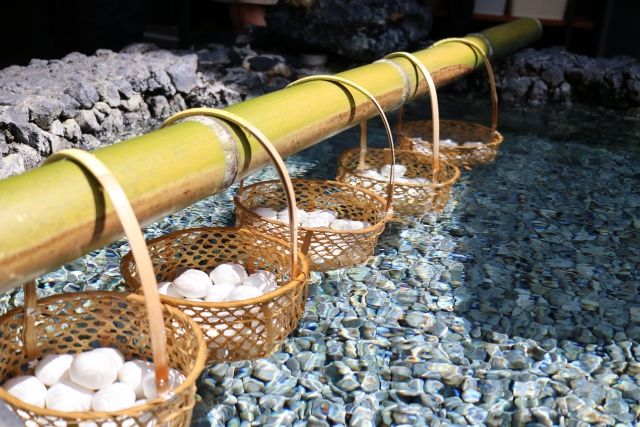
Often considered the symbolic heart of Kusatsu Onsen, Yubatake is a hot water field where steaming thermal waters cascade over wooden conduits, creating a picturesque scene—especially when illuminated at night.

 Map
Map
2. Sainokawara Park (西の河原公園)
This serene park features open-air hot springs, walking paths, and natural steam vents. It’s an ideal place for a relaxing stroll amidst nature.
Map
3. Netsunoyu (熱乃湯)
Here, visitors can experience the traditional Yumomi performance, where locals stir hot spring water with wooden paddles to cool it, while singing folk songs. It’s a blend of culture and entertainment.
Map
4. Kusatsu Tropical Wonderland (草津熱帯圏)
A unique zoo that uses hot spring heat to maintain a tropical environment. It’s home to a variety of exotic animals and plants from around the world.
Map
5. Shirane Shrine (白根神社)
A historic shrine dedicated to the deity of Mount Shirane, offering a peaceful atmosphere and spiritual experience.
Map
Top 5 Must-Buy Souvenirs from Kusatsu Onsen for Your Japan Trip
Yumomi Pudding (草津温泉プリン)
A smooth, melt-in-your-mouth custard pudding, inspired by Kusatsu’s famous Yumomi tradition.
Matsumura Manju (松むら饅頭)
A traditional steamed bun filled with sweet red bean paste, loved by both locals and tourists alike.
Onsen Tamago Boro (温泉たまごボーロ)
These egg-shaped cookies, reminiscent of onsen eggs, offer a nostalgic and gentle sweetness.
Hanaingen Amanatto (花いんげん甘納豆)
Sweetened kidney beans, this confection is made using locally grown Hanaingen beans and carries a delicate flavor.
Yunohana Karinto (湯の花かりんとう)
Crunchy, sweet fried snacks coated in sugar—perfect as a post-bath treat or gift.
🏨Best Ryokan and Hotels to Stay in Kusatsu Onsen for a Relaxing Trip
With so many great places to stay, it’s hard to choose. Here are five ryokan that travelers consistently rate highly for their location, ambiance, and unforgettable experiences. Whether you’re looking for traditional charm or luxury with a view, you’ll find it here.
Hotel Ichii
Located directly in front of Kusatsu’s iconic Yubatake hot spring field, Hotel Ichii offers breathtaking views and an authentic Japanese onsen experience.
Guests can soak in two distinct natural hot spring sources and unwind in rooms that blend traditional charm with modern comfort.
※ Some staff can assist in English, though having a few basic Japanese phrases may be helpful.
Hotel Sakurai
As one of the largest ryokan in Kusatsu, Hotel Sakurai is famous for its spacious hot spring baths, nightly taiko drum shows, and a wide range of traditional Japanese cuisine.
It’s a great choice for families and tour groups seeking a lively and cultural stay.
※ Staff are used to international guests and offer assistance in English.
Gensen Ichinoyu
Just a 2-minute walk from Yubatake, Gensen Ichinoyu is a modern-style ryokan that blends comfort with convenience.
Guests can enjoy clean and spacious rooms, complimentary coffee, and a stylish lounge—ideal for those seeking relaxation in a casual setting.
※ Some staff speak basic English.
Boun (望雲)
Boun is a charming traditional ryokan nestled beside a peaceful Japanese garden.
It features six distinct hot spring baths fed by two natural sources. Guests often highlight the elegant ambiance and exceptional multi-course Japanese cuisine.
※ English-speaking staff are available, making it comfortable for international visitors.
Naraya (奈良屋)
With over 140 years of history, Naraya is one of Kusatsu’s most distinguished ryokan.
Renowned for its traditional wooden architecture and exclusive hot spring water drawn directly from the Yubatake, it offers a truly immersive cultural stay.
※ Some English is spoken, but the charm lies in experiencing the full depth of Japanese hospitality.
How to Easily Reach Kusatsu Onsen: Best Routes from Tokyo and Beyond
🛤️ Route 1: From Ueno Station via Limited Express Train
Step 1: Take the JR Limited Express “Kusatsu-Shima” from Ueno Station to Naganohara-Kusatsuguchi Station
⏱️ Approx. 2 hours 33 minutesStep 2: Transfer to a JR Bus to Kusatsu Onsen
⏱️ Approx. 25 minutes
Total Time: About 3 hours
🚃 Route 2: Via Takasaki (Local Train Route)
Step 1: Take the JR Takasaki Line from Ueno Station to Takasaki Station
⏱️ Approx. 1 hour 45 minutesStep 2: Transfer to the Agatsuma Line (local train) to Naganohara-Kusatsuguchi Station
⏱️ Approx. 1 hour 30 minutesStep 3: Take a JR Bus to Kusatsu Onsen
⏱️ Approx. 25 minutes
Total Time: Around 4 hours
🚄 Route 3: Via Karuizawa by Shinkansen
Step 1: Take the Hokuriku Shinkansen from Tokyo Station to Karuizawa Station
⏱️ Approx. 1 hour 10 minutesStep 2: Transfer to a local bus (Kusakaru Kotsu or Seibu Kanko) to Kusatsu Onsen
⏱️ Approx. 1 hour to 1 hour 18–55 minutes (depends on schedule)
Total Time: Around 2.5–3 hours
✈️ Route 4: From Narita Airport
Step 1: Take the Narita Express (N’EX) or Keisei Skyliner to Tokyo Station or Ueno Station
⏱️ Approx. 1–1.5 hoursStep 2: Follow Route 1 (from Ueno) or Route 3 (from Tokyo)
Total Time: Approx. 4–5 hours
✈️ Route 5: From Haneda Airport
Step 1: Take the Tokyo Monorail or Keikyu Line to Hamamatsucho or Shinagawa Station, then transfer to the JR Yamanote Line or Shinkansen to reach Tokyo or Ueno Station
⏱️ Approx. 30–45 minutesStep 2: Follow Route 1 or Route 3
Total Time: Approx. 3.5–4.5 hours


