Shrine Etiquette
How to Respectfully Visit Japanese Shrines
Visiting shrines in Japan is a special and meaningful experience.
Customs may vary slightly depending on the region or specific shrine.
Here, we introduce the basic and widely accepted etiquette, so you can enjoy your visit comfortably and respectfully.
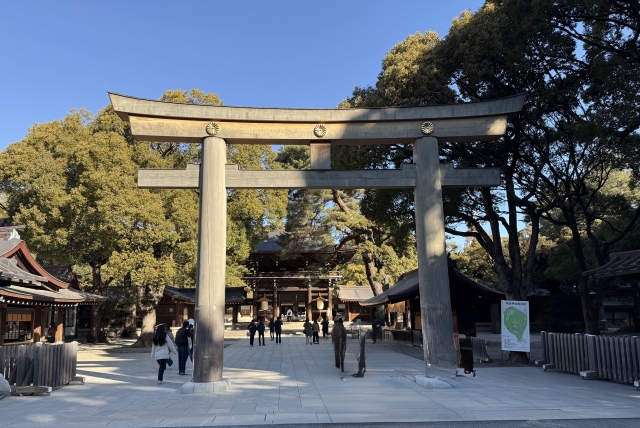
Bow before entering the Torii gate (traditional shrine gate)
Before passing through the torii gate (the symbolic entrance to a shrine), pause and bow slightly to show respect for the sacred space.
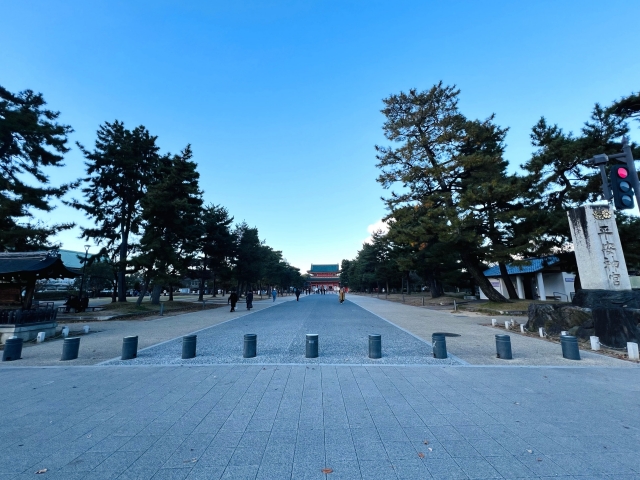
🛤️Walk along the sides of the Sando (shrine approach path)
The center of the sando (the path leading to the shrine) is reserved for the deities. Visitors are encouraged to walk respectfully along the sides.

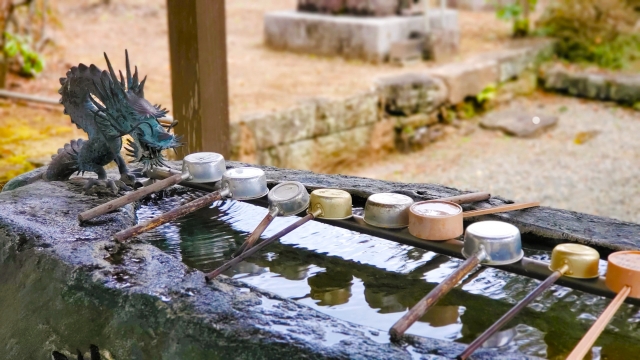
💧 Purify yourself at the Temizuya (purification fountain)
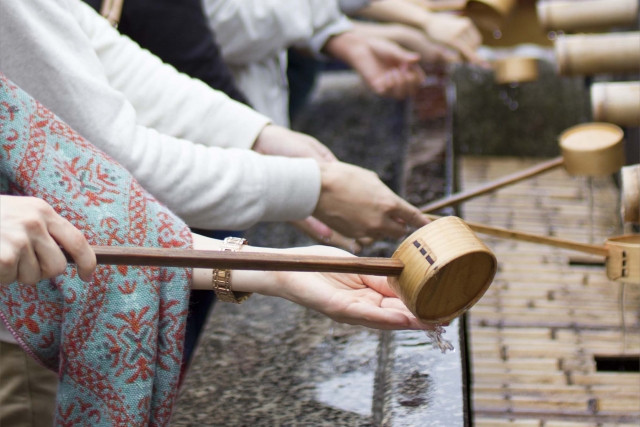
At the temizuya (purification fountain), use the ladle (hishaku) to cleanse yourself:
- Scoop water with the ladle.
- Rinse your left hand, then your right hand.
- Pour water into your left hand to rinse your mouth (do not touch the ladle directly to your mouth).
- Finally, rinse the handle of the ladle by tipping it vertically.


Shrines and Temples: How to Recognize and Respect Them
In Japan, shrines and temples look similar but belong to different religions. Here’s how to tell them apart.
| Feature | Shrine | Temple |
|---|---|---|
| Religion | Shinto | Buddhism |
| Entrance | Torii gate | Sanmon gate |
| Worship Style | Bow twice, clap twice | Hands together silently |
| Main Symbol | Kami (spirits) | Buddha |
| Staff | Shinto priest (Kannushi) | Buddhist monk |
Tips for Travelers
・Shrines usually have a red torii gate at the entrance.
・Temples often feature incense and Buddhist statues.
Tips for Travelers: Shrine vs. Temple Offerings
At Shrines
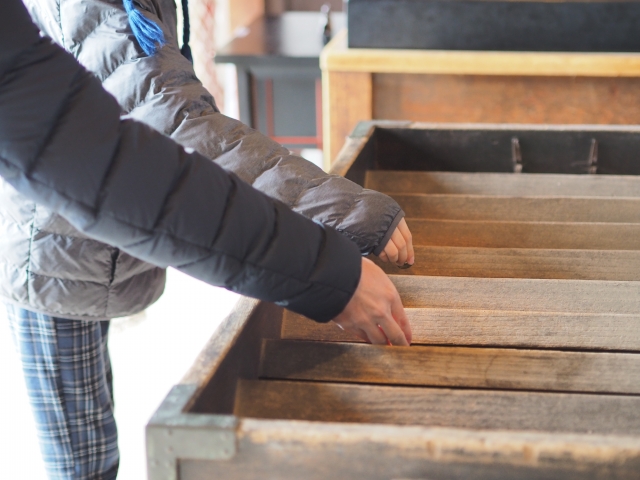
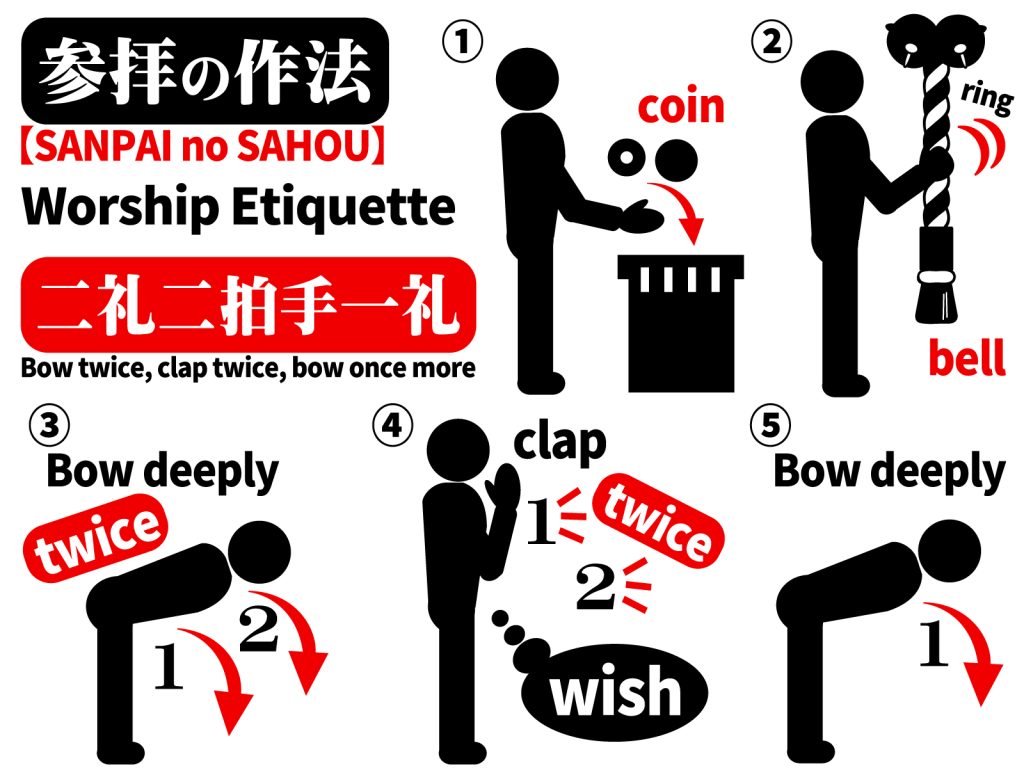
Throw a coin (commonly ¥5) into the offering box.
It’s a symbolic act to show gratitude or make a wish.
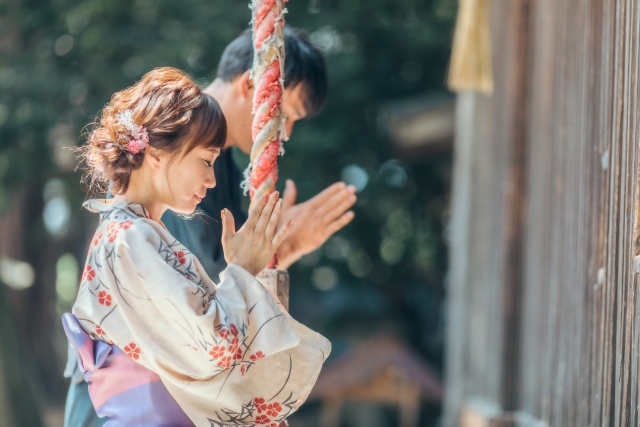
Bow twice, clap twice, and bow once.
At Temples
Gently place a coin (¥10 or ¥100 is common) as a quiet offering.
No clapping—just a silent prayer and a bow.
It shows respect rather than making a wish.

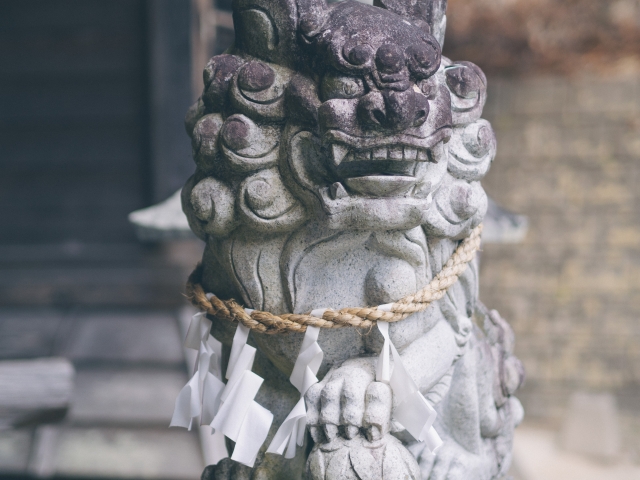
🦁Fun Fact: What are Komainu and Goshuin?
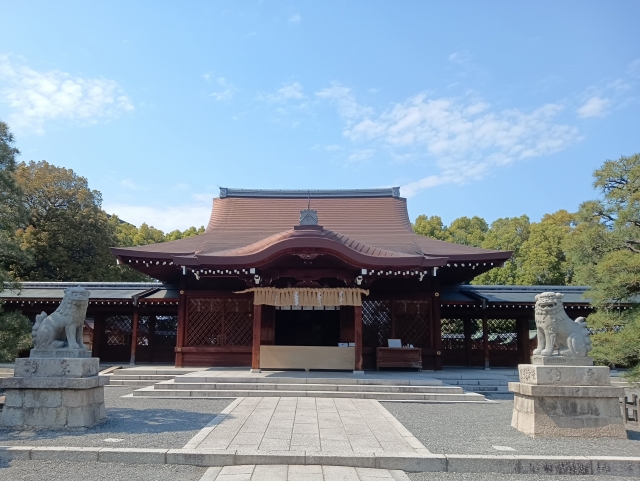
Komainu are guardian lion-dog statues placed at the entrance of shrines to protect them from evil spirits.
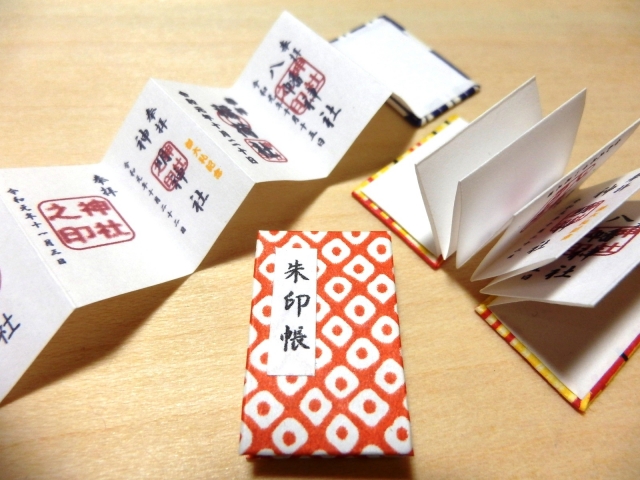
Goshuin are beautiful calligraphy-style stamps offered to visitors as a record of their pilgrimage.


🚫 Avoid Stepping on the Threshold (Shikii)
In Japanese shrines and temples, the threshold — known as shikii — marks the boundary between the sacred and the secular.
Stepping directly on it is seen as highly disrespectful, as it symbolizes carelessly crossing into a holy space.
While other etiquette rules might vary or be overlooked even by Japanese visitors, stepping over the threshold is a universally respected custom.
Please take a moment to avoid stepping on it, and instead, gently step over.
Respecting basic shrine etiquette not only deepens your experience but also shows heartfelt gratitude for the traditions passed down through generations. Even among Japanese people, perfect form is rare — what matters most is the sincere spirit behind your actions.